
RapidSpell Thesaurus Desktop .NET
Add spell check functionality to textual .NET applications.
- Supports as-you-type checking and user dictionaries
- Uses customizable 140,000 word U.S. & U.K. dictionaries
- Non-English dictionaries are also available
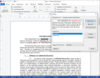
Description: Powerful spell checking and language tools for TX Text Control.NET Server for ASP.NET applications. TX Spell.NET for WinForms and ASP.NET checks spelling as you type, word by word, and as you copy and paste. Right-clicking on a spelling mistake presents a ... Read more
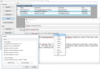
Description: Integrate (as-you-type and dialog) spell checking functionality into.NET Windows Forms applications. RapidSpell Desktop.NET allows you to add spell checking value to any textual application (email, word processor etc) with a couple of lines of code. ... Read more

Description: High-performance UI controls, Reporting and Analytics. DevExpress Universal helps you build applications for Windows, Web, mobile and tablet with all of the DevExpress single platform controls and more. The feature-complete Universal Subscription includes ... Read more

Release Notes: DevExpress has released a major update across their entire product range. CodeRush Ultimate 26.1.3- Rich comments can now render Mermaid diagrams directly within source code comments, making it easy to document architecture, workflows, and designs without ... Read more

Release Notes: Security Enhancements DevExpress expanded internal security diagnostics (including custom analyzers) across engineering workflows. WinForms AI Chat AI Agent Integration The DevExpress WinForms AI Chat Control ships with a new IChatResponseProvider ... Read more

Description: JavaScript and.NET UI components for web, desktop and mobile applications. Telerik DevCraft Complete includes more than 1,250.NET and JavaScript UI components that enable you to build modern, feature-rich and high-performing Web, desktop and mobile apps. ... Read more

Description: A complete collection of performant, extensible.NET UI controls for mobile, Web, and desktop. ComponentOne Studio Enterprise (formerly ComponentOne Studio) is a comprehensive, flexible collection of performant, extensible.NET UI controls for mobile, web, ... Read more


Description: Software Developer Tools Collection for Any Platform and Technology. Telerik DevCraft Complete includes more than 1,250.NET and JavaScript UI components that enable you to build modern, feature-rich and high-performing Web, desktop and mobile apps. Plus, ... Read more

Release Notes: Calendar Improvements Added the GetSelectedDateRange method to C1DateRangeEdit to retrieve the selected date range based on the current culture calendar. Added the C1DateRangeEdit control to display and edit date ranges through a drop-down editor. Command ... Read more

Description: Build modern apps with sleek UI. Telerik DevCraft UI provides.NET and JavaScript technologies to deliver outstanding UI with a broad array of styling and customization. Telerik DevCraft UI is for developers who build.NET and JavaScript apps and need sleek ... Read more
Tel: (888) 850 9911
Fax: +1 770 250 6199





 (1)
(1) (68)
(68)
 (2)
(2)