Proteja las comunicaciones con estándares probados
Los protocolos de seguridad desempeñan un papel crucial en la preservación de la privacidad y la protección: desde la autenticación de usuarios hasta el cifrado de datos sensibles en mensajes digitales.
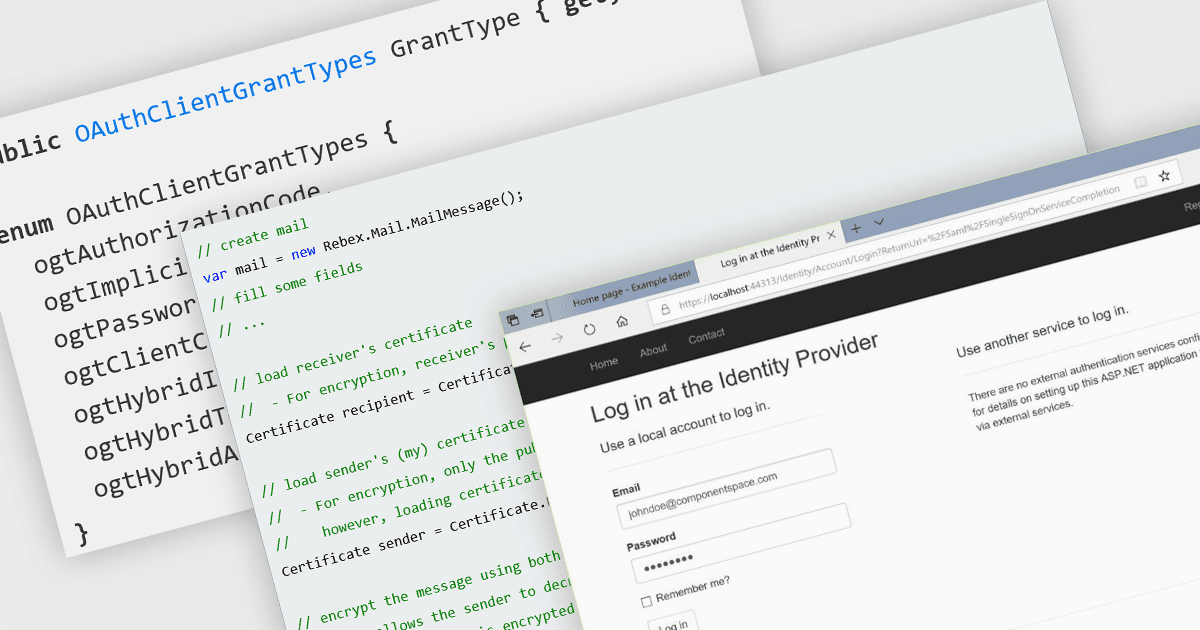
Los protocolos de autenticación y seguridad desempeñan un papel fundamental en la protección de los sistemas de comunicación y mensajería al verificar identidades, proteger la integridad de los datos y garantizar la confidencialidad. Estos protocolos definen los mecanismos mediante los cuales los usuarios y los servicios se autentican, establecen confianza y aseguran los datos durante la transmisión. A medida que la comunicación digital se expande por redes, dispositivos y plataformas, se vuelve esencial la necesidad de contar con marcos de seguridad sólidos basados en estándares para protegerse contra el acceso no autorizado, la manipulación y las filtraciones de datos.
Las funciones comunes incluyen:
- OAuth permite una autorización segura basada en tokens para aplicaciones de terceros sin exponer las credenciales del usuario.
- SAML (Security Assertion Markup Language) proporciona administración de identidades federada y capacidades de inicio de sesión único (SSO), lo que permite a los usuarios acceder a varios servicios con una sola autenticación.
- OpenPGP (Pretty Good Privacy) ofrece cifrado de extremo a extremo y firma digital de mensajes, asegurando que los datos se mantengan confidenciales e imperturbables ante manipulaciones.
- SMIME (Secure/Multipurpose Internet Mail Extensions) protege las comunicaciones por correo electrónico al cifrar el contenido del mensaje y adjuntar firmas digitales para su verificación.
- CertMgr admite la gestión de certificados digitales, lo que permite a los sistemas validar identidades y establecer conexiones cifradas mediante infraestructura de clave pública.
Para un análisis en profundidad de las funciones y el precio, visite nuestra comparación de componentes de .NET Comms & Messaging..