通过条件格式突出关键洞察
通过条件视觉高亮来优化报表,提升数据清晰度,加速洞察发现,并支持更快的决策。
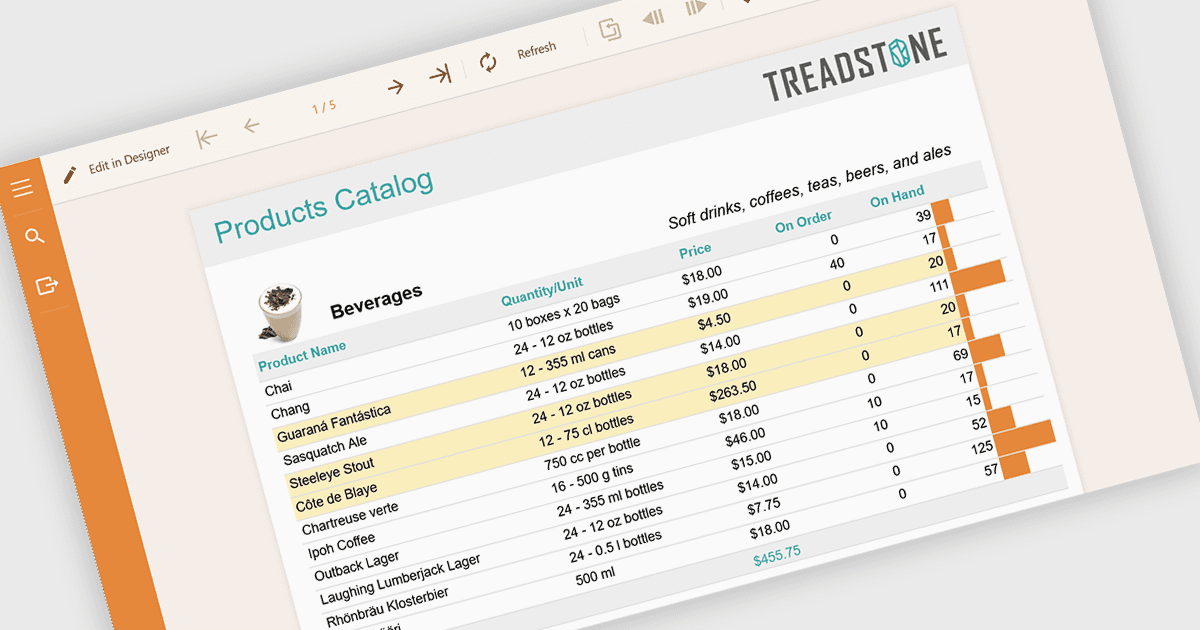
报告中的条件格式是指根据数据中的特定规则或数值自动应用颜色、图标或数据条等可视样式。这种技术通过让关键信息立即可见来增强报表效果,提高可读性,并支持更快、更明智的决策。通过动态突出显示阈值、趋势和异常,条件格式减少了手动分析的需求,同时确保各报表之间的一致性。常见用例包括在财务仪表板中标记表现不佳的 KPI、在项目报告中突出显示逾期任务、将销售表现与目标进行可视化对比,以及识别大型数据集中的异常值。总体而言,它将静态数据转化为直观、可操作的洞察,使用户能够一眼更轻松地进行解读。
多种 .NET 报表组件都支持应用条件格式,包括:
- ActiveReports.NET Standard by MESCIUS 允许您定义灵活的条件格式表达式,从而动态调整报表视觉效果。
- DevExpress Reporting 让您可以应用高级条件格式规则,以突出趋势、强调关键指标,并提供具有视觉洞察力、数据驱动的报表。
- Stimulsoft Reports.NET 提供直观的条件格式和丰富的视觉选项,帮助用户自定义数据呈现并即时识别模式与洞察。
- FastReport .NET WEB 让您能够在 Web 报表中实现基于规则的条件格式,增强清晰度,引导用户关注重点,并改善实时数据分析。
如需深入了解功能和价格,请访问我们的 .NET 报表组件对比。