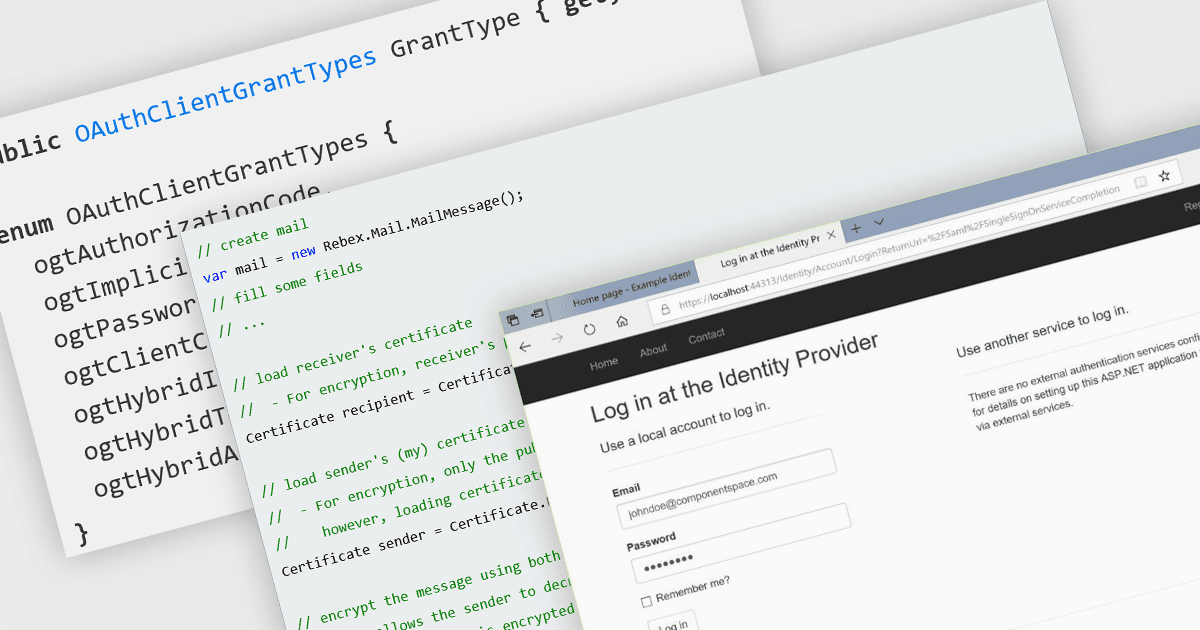
用經過驗證的標準保護通信

4月 4, 2025
安全協定在維護隱私及保護方面發揮著至關重要的作用,從驗證使用者身份到加密數位消息中的敏感性資料。

繼續用英語閱讀:

Authentication and security protocols play a critical role in safeguarding communication and messaging systems by verifying identities, protecting data integrity, and ensuring confidentiality. These protocols define the mechanisms by which users and services authenticate, establish trust, and secure data during transmission. As digital communication expands across networks, devices, and platforms, the need for robust, standards-based security frameworks becomes essential to protect against unauthorized access, tampering, and data breaches.

Common features include:

  • OAuth enables secure, token-based authorization for third-party applications without exposing user credentials.
  • SAML (Security Assertion Markup Language) provides federated identity management and single sign-on capabilities, allowing users to access multiple services with a single authentication.
  • OpenPGP (Pretty Good Privacy) offers end-to-end encryption and digital signing of messages, ensuring that data remains confidential and tamper-proof.
  • SMIME (Secure/Multipurpose Internet Mail Extensions) secures email communications by encrypting message content and attaching digital signatures for verification.
  • CertMgr supports the management of digital certificates, enabling systems to validate identities and establish encrypted connections using public key infrastructure.

For an in-depth analysis of features and price, visit our .NET Comms & Messaging components comparison..

Explore .NET Authentication and Security Protocols