
ImageKit10 ActiveX
Add image processing functionality to your applications.
- Load/save image files, edit, display, and print images, draw shapes and text on images, and display images as thumbnails
- Retrieve images from TWAIN scan devices

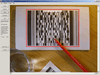
Description: Read normal 1D and 2D barcodes from images, bitmaps and PDF Documents. Softek Barcode Reader Toolkit for Windows lets you read normal (1D) and 2-D barcodes from image files and bitmaps held in memory. Developers have a choice of 4 different types of ... Read more
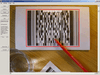
Description: Read normal 1D and 2D barcodes from images and bitmaps. Softek Barcode Reader Toolkit for Windows lets you read normal (1D) and 2-D barcodes from image files and bitmaps held in memory. Developers have a choice of 4 different types of interface and access ... Read more
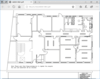
Description: Convert DWG, DXF and DWF to PDF directly without AutoCAD. DWG2PDF-X is an ActiveX component that allows you to convert DWG to PDF, DXF to PDF, and DWF to PDF, directly without the need for AutoCAD. Convert a single file or an entire folder in batch mode. ... Read more
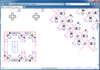
Description: Convert DWG/DXF/DWF files into GIF, JPEG, BMP, PNG without AutoCAD. DWG2ImageX is an ActiveX component which allows you to convert DWG/DXF/DWF file into GIF, JPEG, BMP, PNG directly, without need of AutoCAD. You can add font path and xref path, set image ... Read more

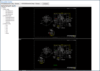
Description: Find differences between versions of AutoCAD drawings. AutoDWG DWG Compare ActiveX allows you to compare different versions of AutoCAD drawings and display the differences graphically. DWG Compare ActiveX displays the differences in views, using ... Read more
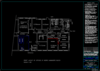
Description: Convert DWG/DXF to DWF without AutoCAD. DWG2DWF-X is a COM component for converting DWG to DWF. It supports AutoCAD version R14 to AutoCAD 2027 and DWF version 6.0. DWG2DWF-X supports three types of dwf format: ASCII, Binary and Compressed Binary and ... Read more
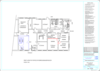
Description: Convert CAD drawings between DWG and DXF formats without AutoCAD. The AutoDWG DWG DXF ActiveX component allows you to convert drawings between DXF and DWG, and AutoCAD file version conversions, without the need for AutoCAD. Convert DWG to DXF and convert ... Read more

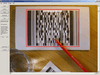
Description: Extend the functionality of the Barcode Toolkit for Windows to read barcodes from PDF documents. Softek Barcode Reader Toolkit lets you read barcodes from image files and bitmaps held in memory. Developers have a choice of 4 different types of interface ... Read more


Description: Add image-processing and scanning functions to your COM applications. The ImageKit10 ActiveX is a component that allows you to add image processing functionality to your applications quickly and easily. With the ImageKit10 ActiveX, you can write ... Read more
Description: Bitonal image enhancement toolkit. ScanFix Xpress ActiveX software development toolkit, offers bitonal document image enhancement technology. Create smaller file sizes and cleaner images, ultimately resulting in higher OCR rates. Clean up images using ... Read more
Tel: (888) 850 9911
Fax: +1 770 250 6199






 (1)
(1)