





Fournisseur officiel
Comme nous somme les distributeurs officiels et autorisés, nous vous fournissons des licences légitimes directement à partir de 200+ éditeurs de logiciels.
Voyez toutes nos marques.
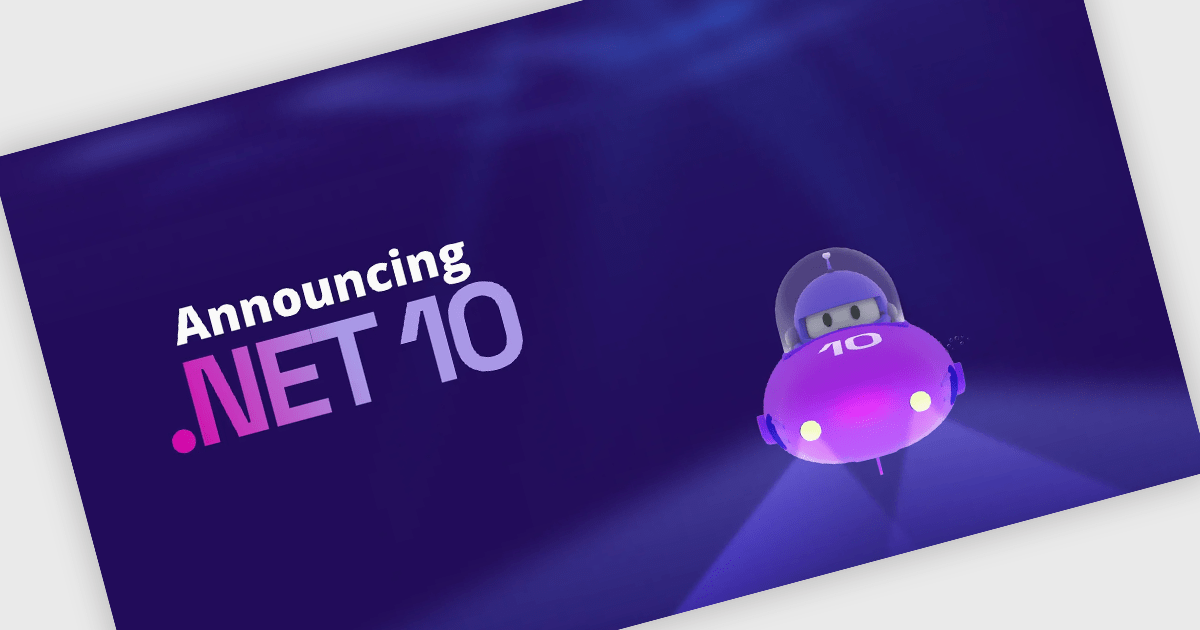
Microsoft have released .NET 10, a major step forward for Microsoft’s cross‑platform development framework, offering enhanced runtime performance, new language features, reinforced security, and deep support for artificial intelligence (AI) workloads. .NET 10 is a Long-Term Support (LTS) version which benefits from guaranteed, extended support for three years making it ideal for production environments and mission-critical systems.
In this release, .NET 10 delivers significant runtime and language enhancements aimed at boosting application speed and efficiency. The just‑in‑time (JIT) compiler has been improved with smarter inlining and method de‑virtualization, and new hardware acceleration support (such as AVX10.2 for Intel and enhanced vectorisation for Arm64) helps reduce pause times in garbage collection. On the language side, C# 14 and F# 10 introduce more expressive constructs, for example, automatic backing fields in C# and scoped warning suppression in F#, which simplify coding while maintaining performance. The combined improvements give developers a faster and more productive foundation.
Security and modern library enhancements have also been front‑and‑centre in .NET 10. The framework expands support for post‑quantum cryptography (PQC) algorithms, helping applications prepare for future quantum‑resistant security demands. Networking libraries have been upgraded with features like a simplified WebSocketStream API and platform‑wide modern TLS 1.3 support (including on macOS). Other library improvements include better JSON processing, key wrapping enhancements, and broader support for native cryptographic APIs. These updates reinforce depth across both security and low‑level infrastructure.
.NET 10 places a strong emphasis on AI integration and cloud‑native development. The introduction of the Microsoft Agent Framework enables developers to build and orchestrate multi‑agent AI systems (sequential, concurrent, hand‑off workflows) with minimal boilerplate. In parallel, the Microsoft.Extensions.AI and vector data abstractions provide unified interfaces for switching between AI providers (such as OpenAI, Azure OpenAI, Ollama) without rewriting code. These capabilities signal a vision where .NET isn’t just for general‑purpose apps, but for next‑generation intelligent systems.
View the official Microsoft blog for all the details, including a link to download .NET 10.
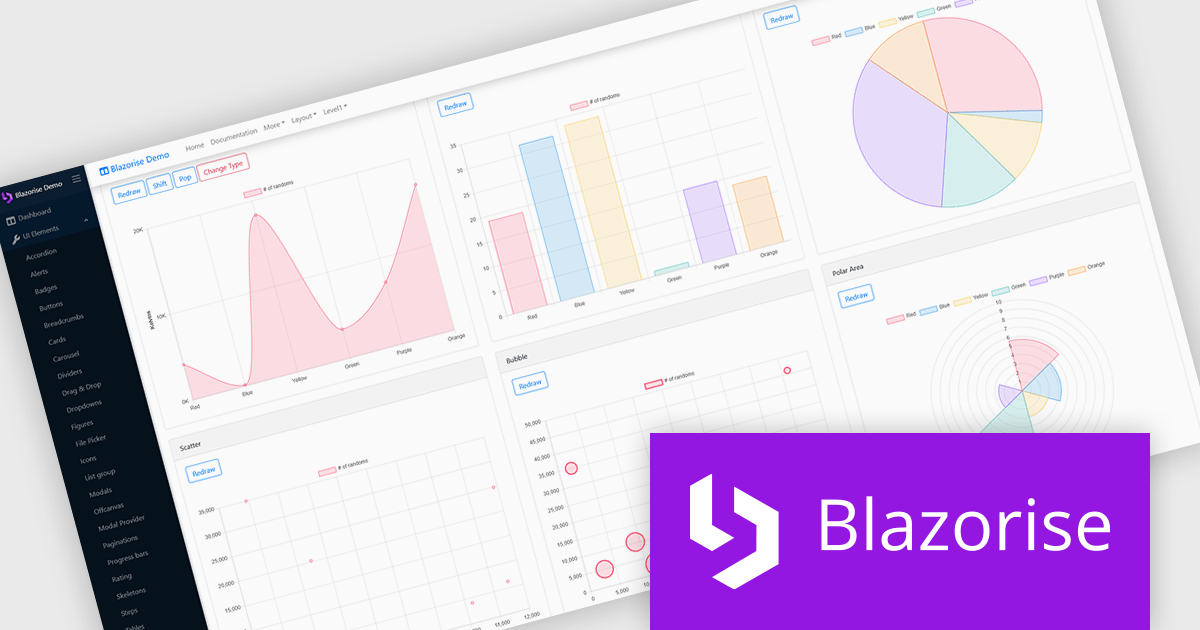
Blazorise is a versatile component library that empowers developers to build modern and feature-rich web applications using Blazor, a client-side web development framework from Microsoft. It offers a comprehensive collection of user interface components, including buttons, forms, charts, and navigation elements, all built with accessibility and responsiveness in mind.
The Blazorise 1.8.6 update delivers full compatibility with .NET 10, allowing existing Blazorise-based applications to run on the latest runtime without breaking changes. It enables projects to take advantage of new C# 14 language features, improved JIT and AOT performance, and the modernized Blazor hosting models introduced in .NET 10. This release helps standardize on the newest .NET stack while preserving current UI components and behavior, reducing migration risk and maintenance overhead for development teams.
To see a full list of what’s new in version 1.8.6, see our release notes.
Blazorise is licensed per developer and includes a 1 year subscription for updates and support. Professional, Enterprise, and Enterprise Plus editions are available, each offering tailored levels of support and service to meet varying business needs. See our Blazorise licensing page for full details.
For more information, visit our Blazorise product page.




Tél : (888) 850 9911
Fax : +1 770 250 6199


