




Offizieller Lieferant
Als offizieller und autorisierter Distributor beliefern wir Sie mit legitimen Lizenzen direkt von mehr als 200 Softwareherstellern.
Sehen Sie alle unsere Marken.
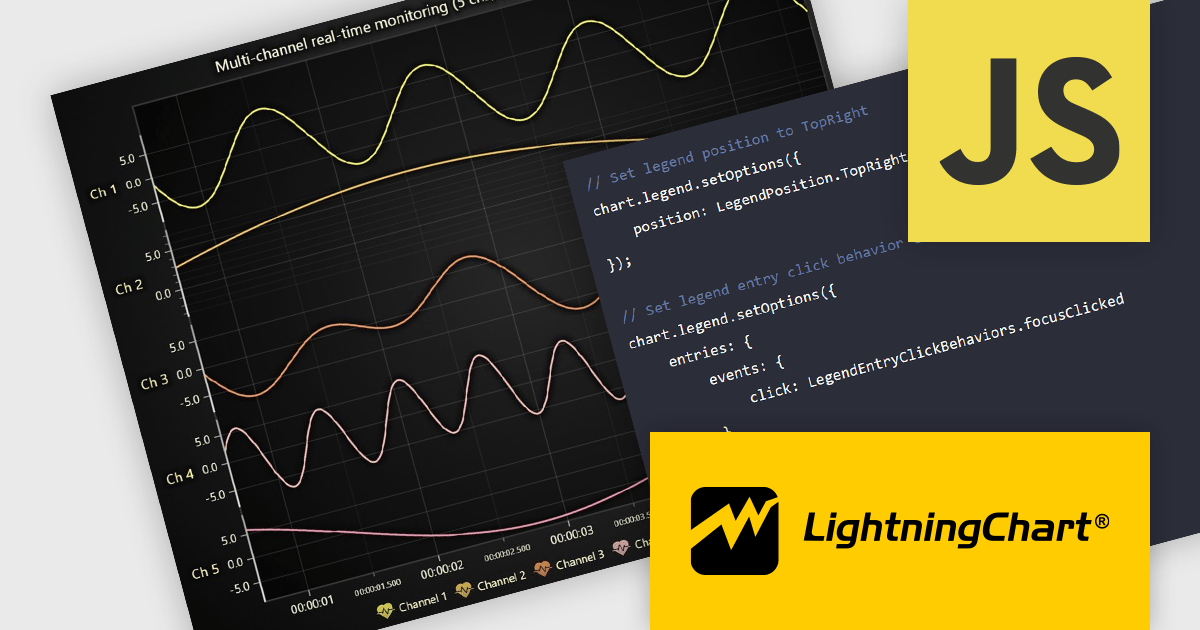
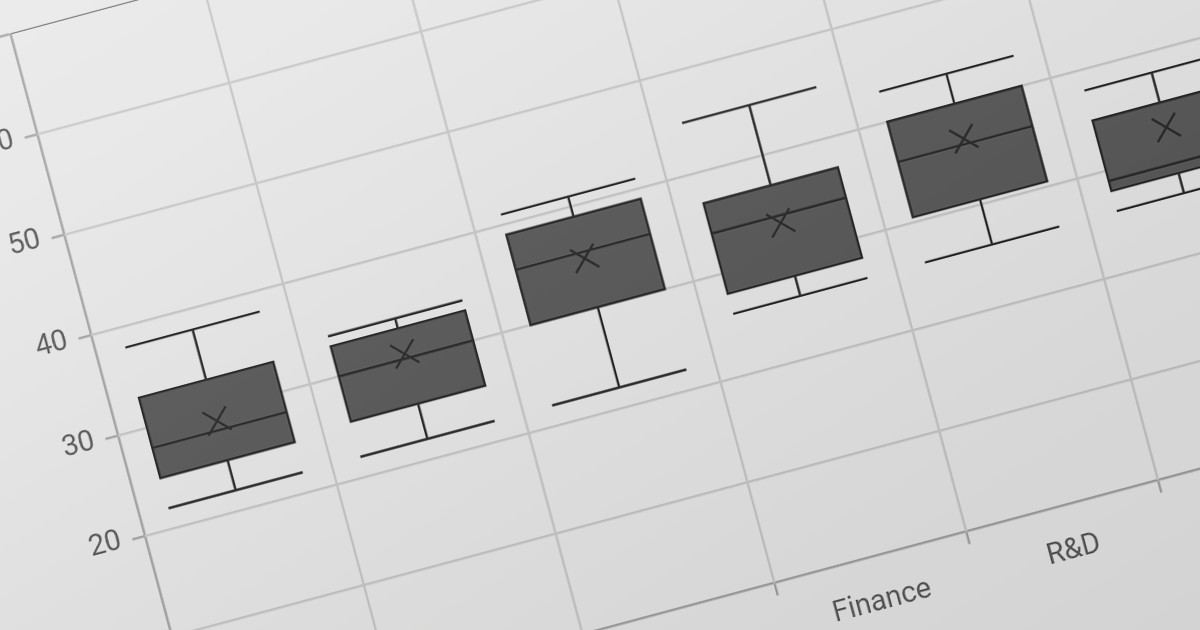
LightningChart JS is a high-performance JavaScript charting library that utilizes WebGL rendering and GPU acceleration to deliver exceptional performance for a wide range of data visualization needs. It is designed to handle large datasets and complex visualizations with ease, enabling developers to create interactive and visually appealing 2D and 3D charts. Ideal for applications demanding smooth real-time data updates, such as financial platforms, engineering tools, scientific research dashboards, and industrial monitoring systems, LightningChart JS provides a comprehensive API for customization and integration into web-based projects.
The LightningChart JS v8.0 update completely reworks legend functionality, making legends a property of the chart, removing visual obstructions, and improving adaptability to available space. The API configuration is now more intuitive and capable, with built-in options supporting a wider range of use cases. Plug‑in support also enables easy extension or customization of legend behavior. By default, legends now appear automatically beneath trends, reducing developer setup time, while still allowing you to manually create multiple legends when needed. You can position legends using built-in presets or define custom placements, and control click behavior using either the provided handlers or your own. When creating series, you can also exclude specific ones from appearing in legends, giving you fine-grained control over legend content.
To see a full list of what's new in v8.0, see our release notes.
LightningChart JS is licensed per developer and is available as an annual license with 1 year support. See our LightningChart JS licensing page for full details.
For more information, see our LightningChart JS product page.
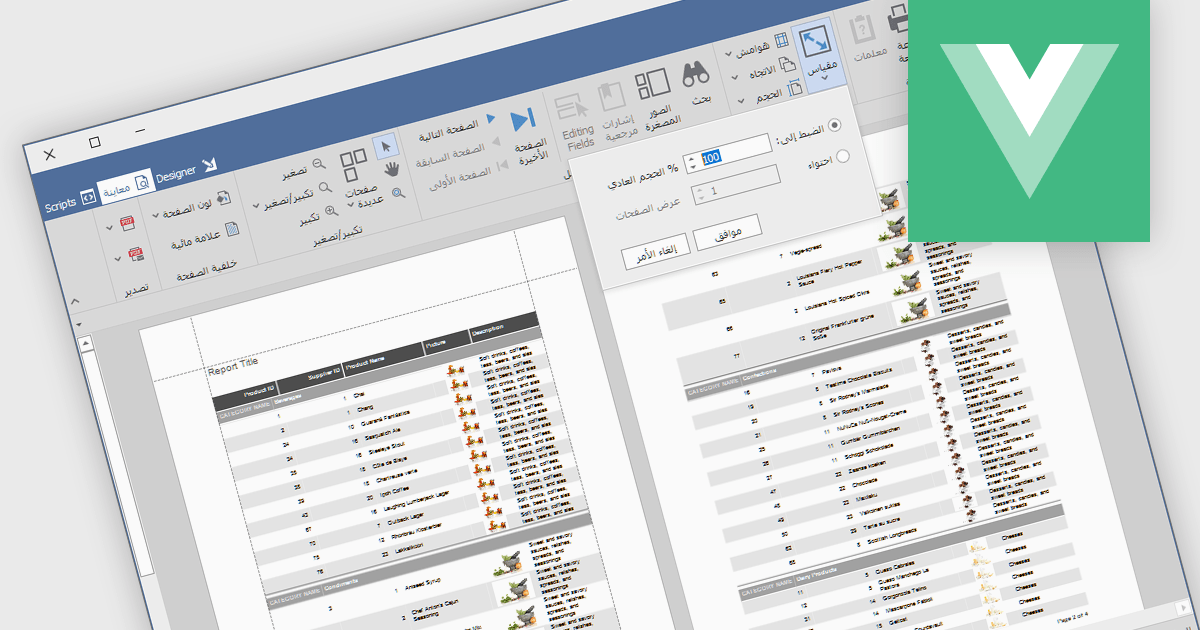
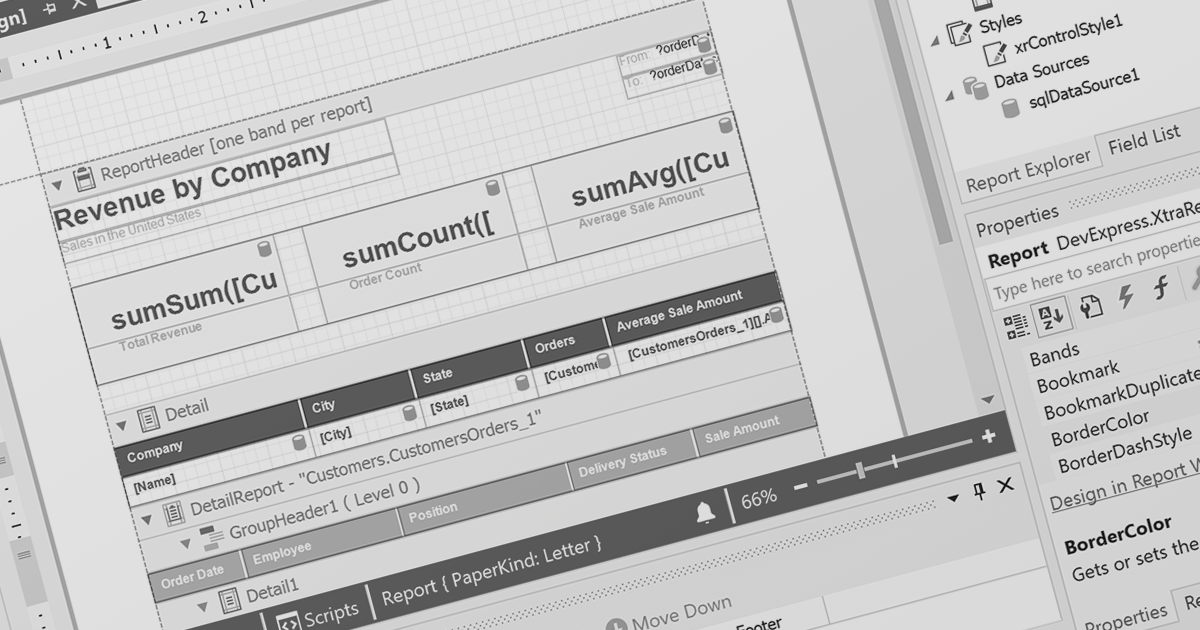
RTL support (Right-to-Left) enables the creation and viewing of reports that can accommodate languages that are read from right to left, such as Arabic, Hebrew, Persian, Urdu, and so on. In the context of report design, this involves aligning text, tables, charts, and interface elements in a way that respects the natural reading direction of said languages, so that the report is displayed correctly for the target audience. Support for RTL languages is a key capability for developers and organizations operating in multilingual environments, ensuring users working in these languages can design, view, and interpret reports accurately and comfortably within the reporting application.
Several Vue.js reporting components include RTL support, including:
For an in-depth analysis of features and price, visit our comparison of Vue.js reporting components.
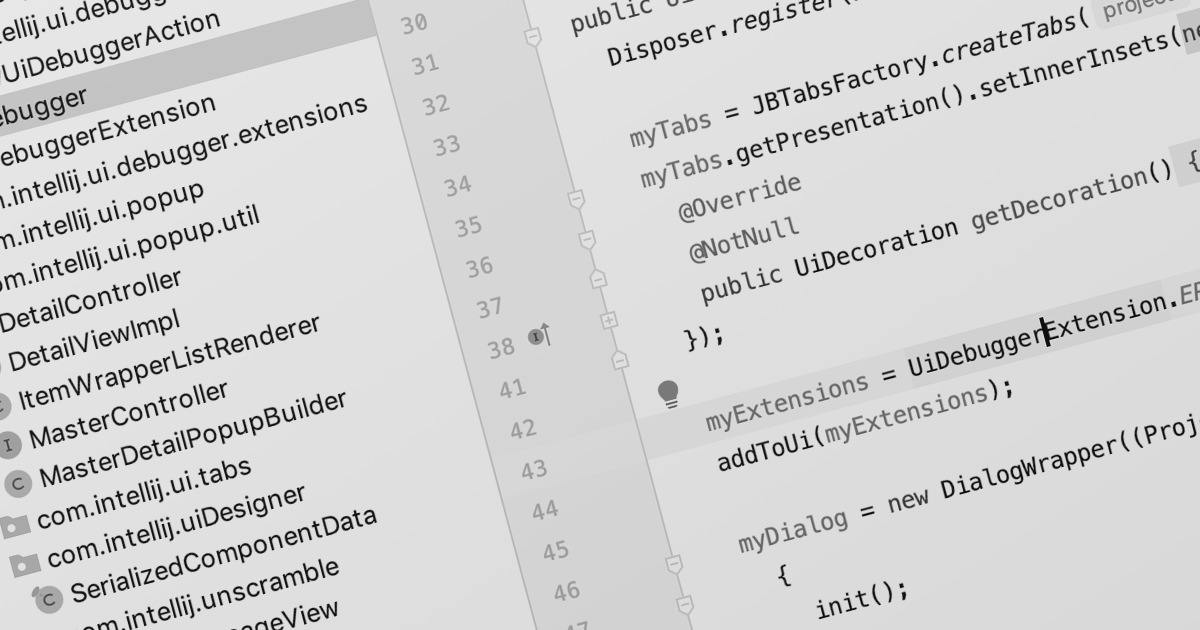
ReSharper is a productivity and code quality plugin for Visual Studio, developed by JetBrains. It helps .NET developers write cleaner, more efficient code. By analyzing code on-the-fly, ReSharper identifies potential errors and suggests fixes. It also automates code refactoring, allowing developers to safely restructure their codebase. These features improve developer productivity and maintainability of the code, making ReSharper a valuable tool for both individual developers and development teams.
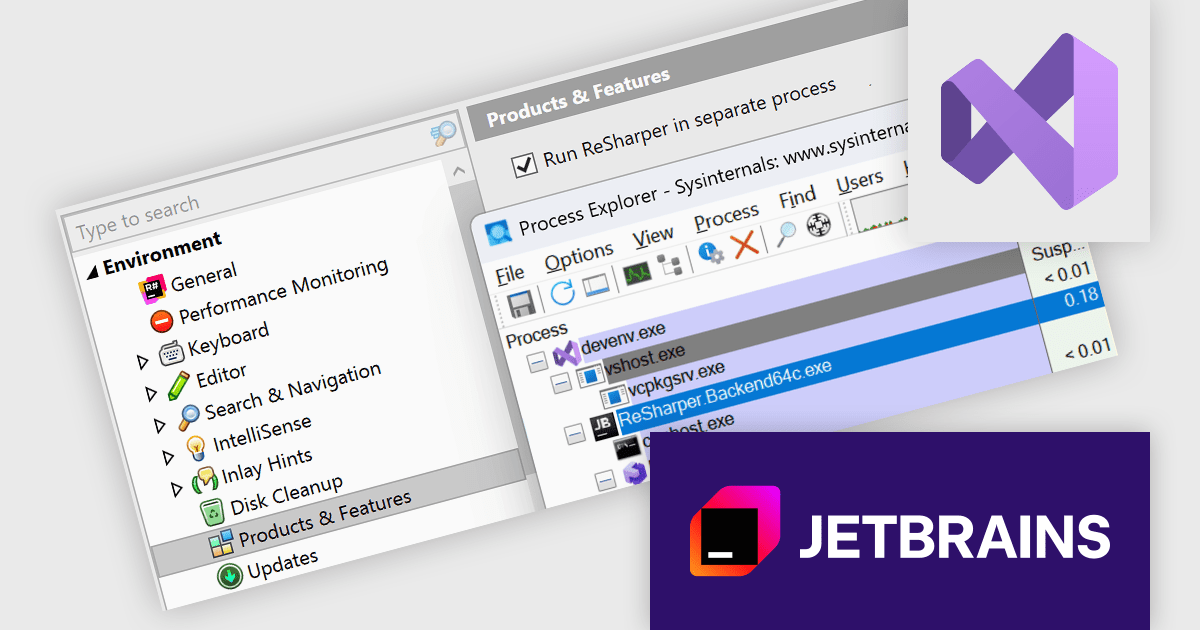
The ReSharper 2025.2 release includes a public preview of its new Out-of-Process (OOP) mode, marking the first stable release to support this architectural shift. The key improvement is that ReSharper now runs in a separate process from Microsoft Visual Studio, rather than being embedded directly into the IDE. This change promises to significantly enhance both stability and performance, especially in larger solutions. By isolating ReSharper from the Visual Studio environment, it reduces the likelihood of one tool affecting the responsiveness or reliability of the other. It also opens the door for future optimizations in memory usage and responsiveness, making this an important step forward for .NET developers using the Visual Studio ecosystem.
To see a full list of what's new in version 2025.2, see our release notes.
ReSharper is licensed per user, and is available as a commercial annual subscription license. We can supply new subscriptions, subscription renewals, lapsed renewals, and additional user licenses. See our ReSharper licensing page for full details.
ReSharper is available to buy in the following products:
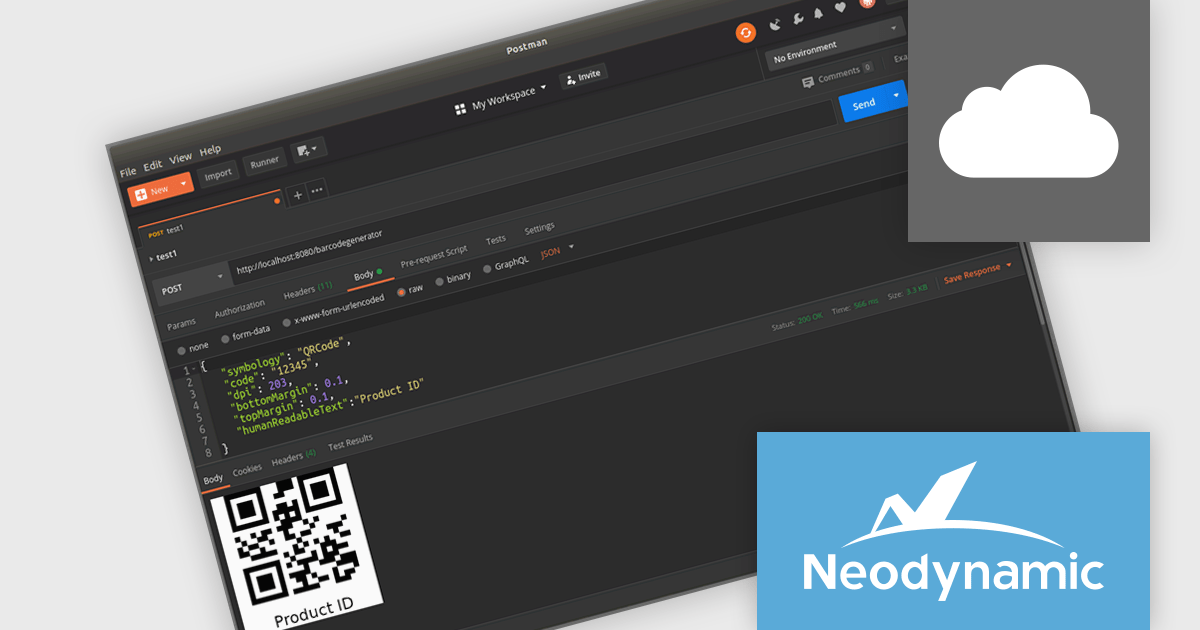
Neodynamic BarcodePro Web API for Docker is a containerized solution that brings robust barcode generation capabilities into modern cloud and microservice architectures. Packaged as a Docker container, it provides a clean, RESTful interface for generating a wide variety of 1D and 2D barcodes, such as Code-39, QR Code, Data Matrix, and GS1 standards, without the need for complex local dependencies. Its design allows developers to integrate barcode creation into distributed systems, CI/CD pipelines, or containerized deployment environments with ease and consistency.
The Neodynamic BarcodePro Web API for Docker V4.0 release adds support for rendering human readable text with barcodes. The API automatically places a human-readable interpretation of the encoded data below the barcode symbol, ensuring end users, such as operators handling scans, can verify content, improving usability and reducing errors. This capability helps maintain consistency between machine-readable code and its corresponding text, particularly valuable in environments like warehousing, shipping, or point-of-sale.
To see a full list of what's new in V4.0, see our release notes.
Neodynamic BarcodePro Web API for Docker is licensed per developer and per server/client side deployment. Licenses are perpetual and include free updates and priority support for 1 year. See our Neodynamic BarcodePro Web API for Docker licensing page for full details.
Learn more on our Neodynamic BarcodePro Web API for Docker product page.
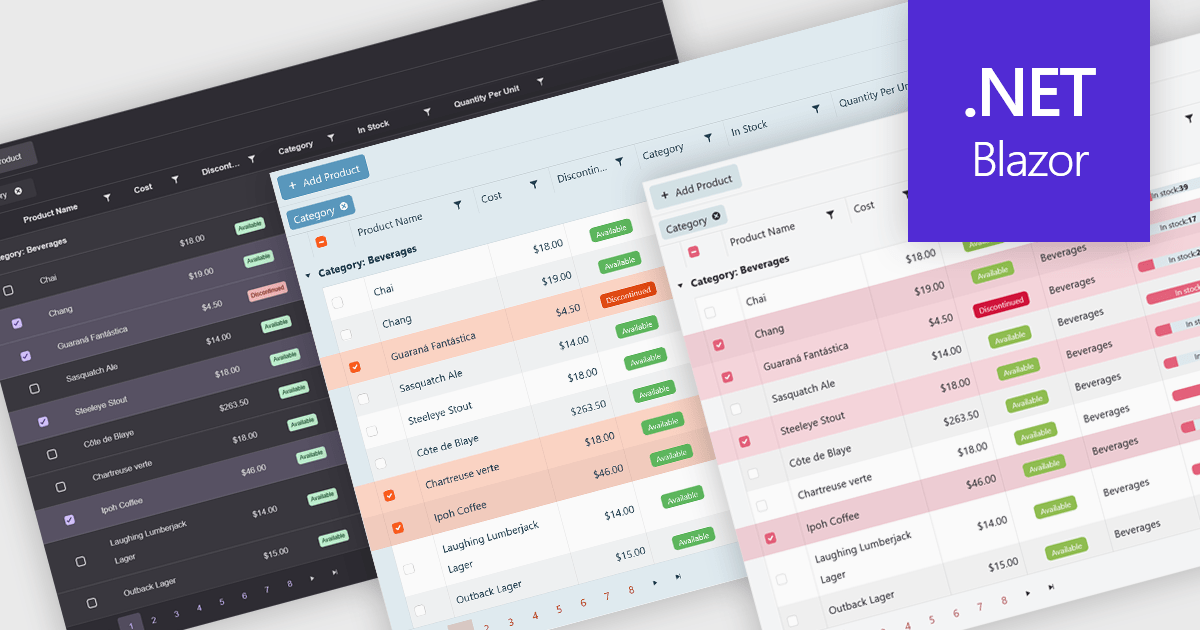
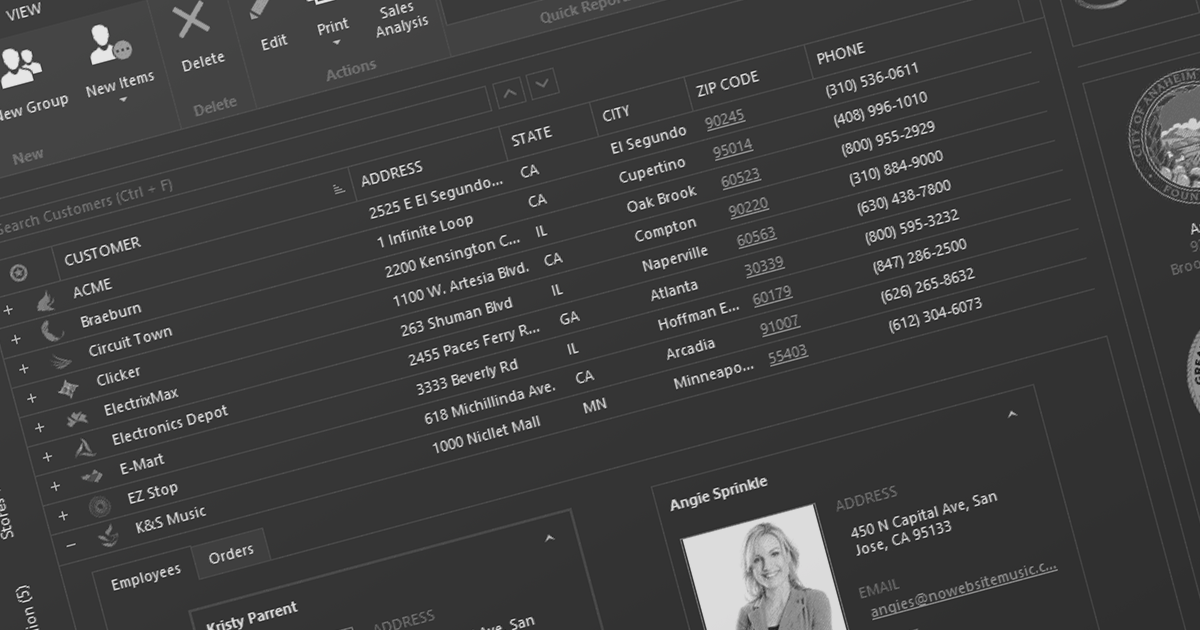
Built-in themes for grids are pre-designed visual styles that can be applied directly to data grid components within applications. These themes define elements such as color schemes, typography, spacing, and borders to create a consistent and polished appearance without requiring manual CSS. The primary benefit is efficiency, as teams can quickly implement a cohesive look that aligns with modern user interface standards. Built-in themes also enhance usability by improving readability, supporting accessibility, and offering a familiar interface that reduces user effort. For example, enterprise dashboards, admin panels, and financial reporting tools can all benefit from built-in themes to present complex data in a clear, user-friendly format while maintaining visual consistency across different parts of the application.
Several .NET Blazor grid components offer built-in theme support including:
For an in-depth analysis of features and price, visit our .NET Blazor grid controls comparison.





Tel.: (888) 850 9911
Fax: +1 770 250 6199


