





Fornecedor oficial
Como distribuidores oficiais e autorizados, nós fornecemos licenças legítimas diretamente de mais de 200 editores de software.
Ver todas as nossas marcas.
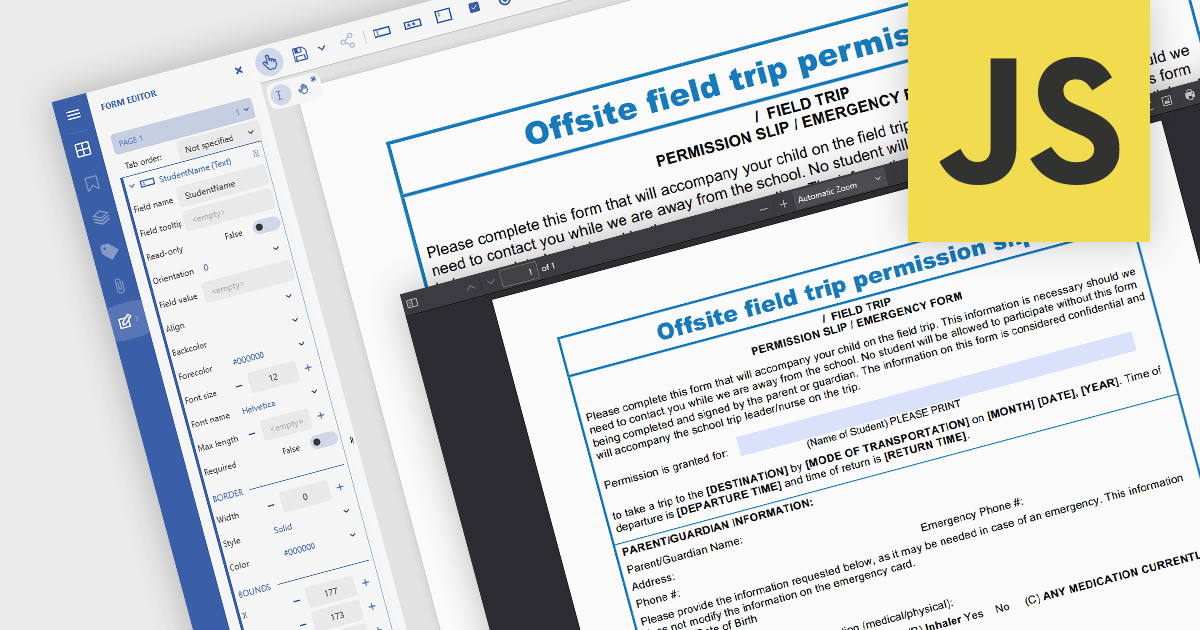
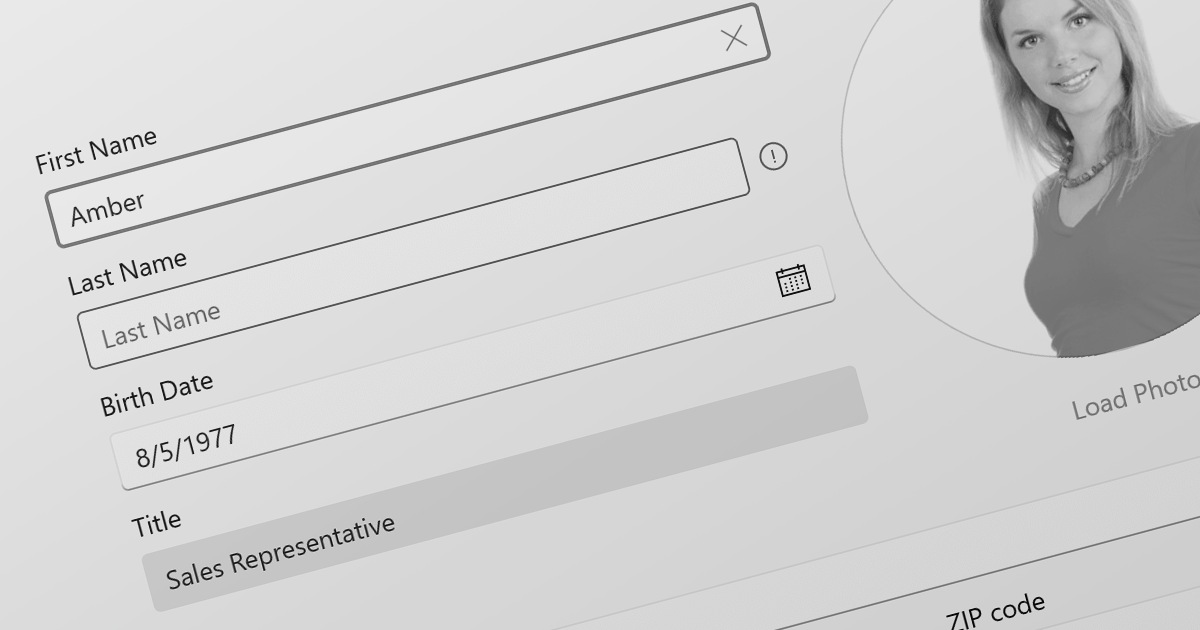
In JavaScript-based PDF viewers, the ability to add, edit, remove, and rename form fields within Acrobat-style PDF forms allows developers and users to dynamically manage form structure and content directly within the browser. This functionality enables real-time customization of interactive PDF documents without requiring external PDF editors. By supporting operations like inserting new text fields, adjusting existing ones, deleting unused fields, or updating field names to match data schemas, this feature significantly enhances the flexibility and usability of PDF forms. It benefits workflows such as document automation, digital signatures, and data collection, particularly in applications where user-driven or programmatic form manipulation is essential for tailoring documents to specific tasks or data sources.
Several JavaScript PDF viewer components allow you to add, edit and remove form fields from PDF forms, including:
For an in-depth analysis of features and price, visit our comparison of JavaScript PDF viewer components.
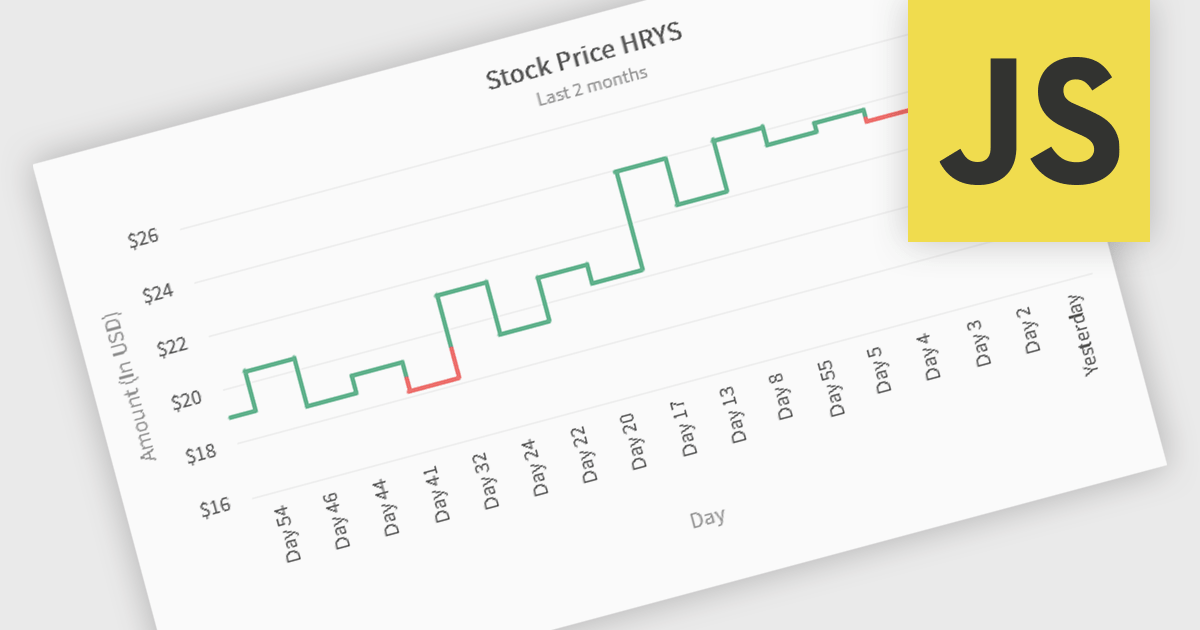
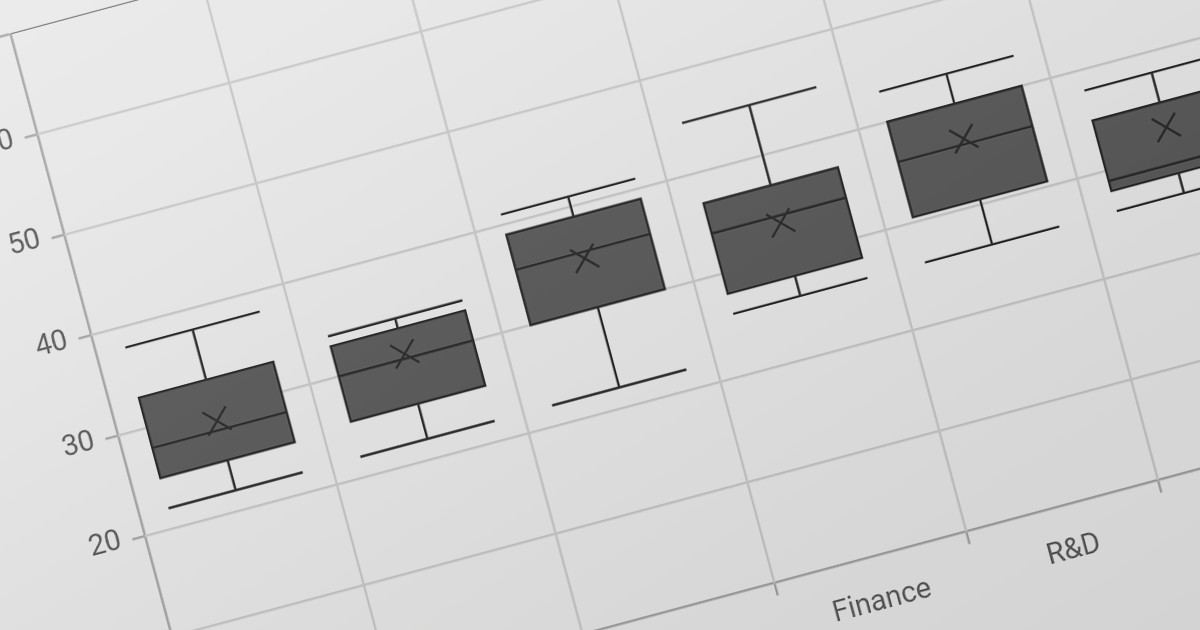
Kagi charts are a technical analysis tool that display price movement through vertical lines, ignoring time to focus on significant price changes. Thick lines indicate rising demand when prices break above previous highs, while thin lines signal increased supply when prices fall below previous lows. This clear visual format helps traders filter out noise, identify trends, and spot key breakouts or reversals. Ideal for analyzing market sentiment, Kagi charts are used across stocks, forex, and commodities to support confident, data-driven trading decisions.
Several JavaScript chart components provide Kagi charts, including:
For an in-depth analysis of features and price, visit our JavaScript charts comparison.
SmartClient is a powerful JavaScript component suite compatible with React, Vue, Angular, and more, designed for building large-scale, high-performance web apps. It offers advanced UI components, dynamic data handling, customizable grids, and responsive design. Ideal for enterprise use cases like financial analytics and real-time reporting, SmartClient supports seamless backend integration and delivers optimized performance and scalability.
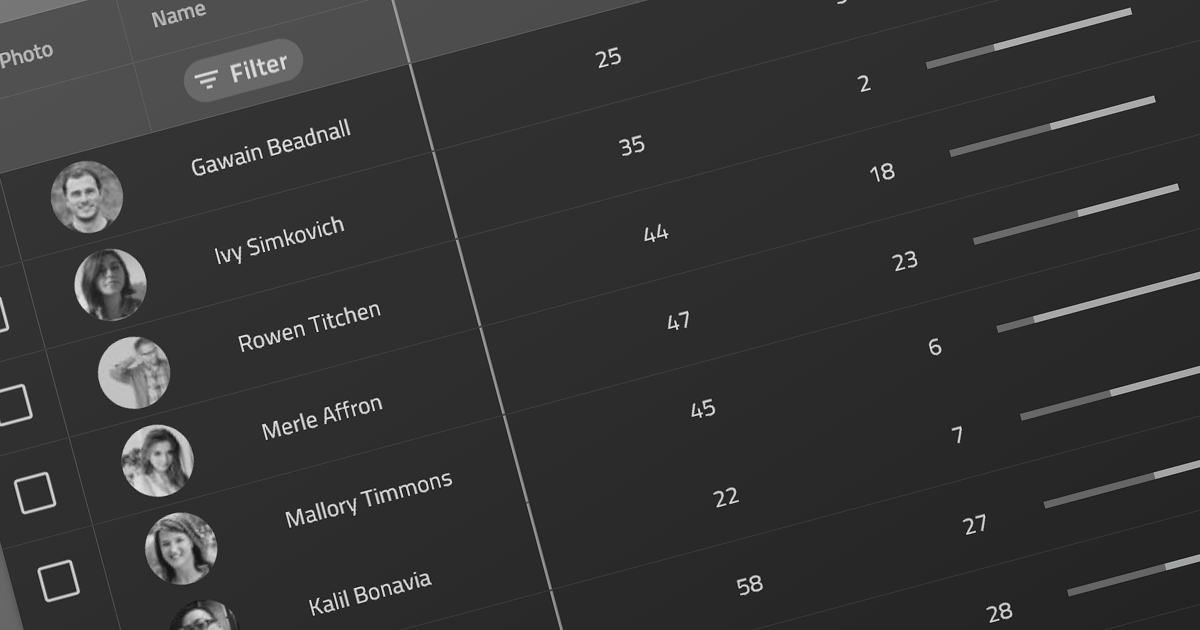
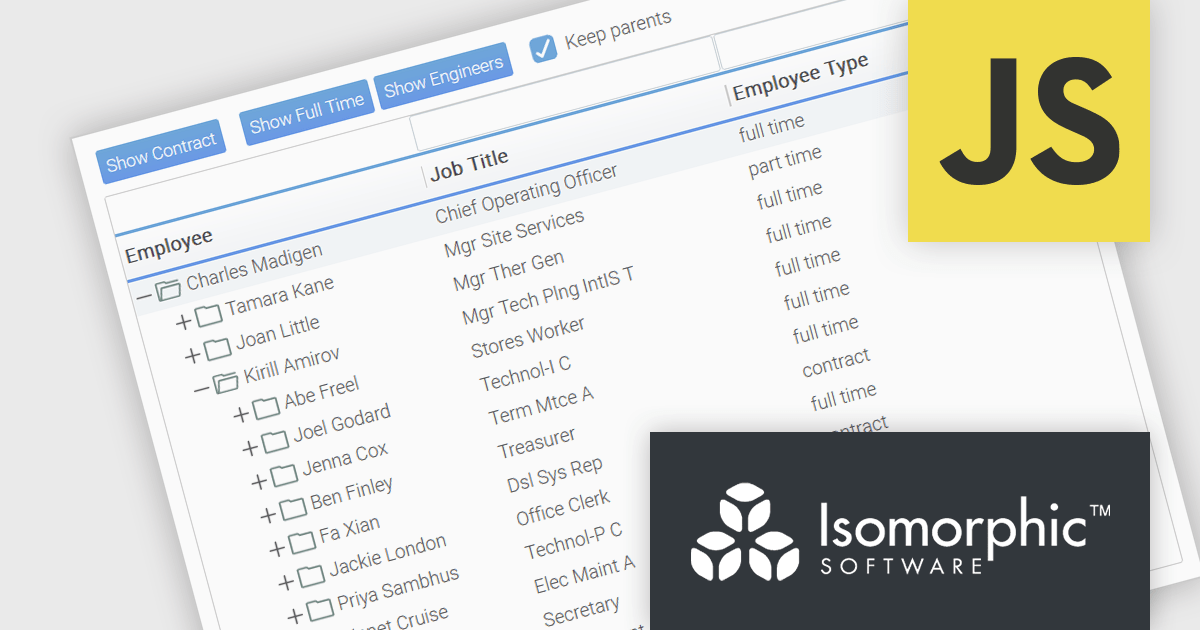
SmartClient has enhanced hierarchical data handling with the included KeepParentsOnFilter setting, ensuring that parent nodes remain visible in filtered views, even when data is loaded dynamically. It loads "skeleton branches" via a complex client-driven algorithm, automatically managed by SmartClient, to maintain high performance without preloading the entire tree, meaning it doesn't require server-side programming. This is particularly useful in large datasets with load-on-demand trees, as it allows users to maintain full visibility into the structure of filtered results without losing context. By preserving the hierarchical path to matching records, this feature improves usability and clarity in tree-based components, especially in applications where understanding the parent-child relationship is critical.
SmartClient is licensed per developer and is available as both perpetual and subscription licenses. Product updates and technical support is also available. See our SmartClient licensing page for full details.
For more information, visit our SmartClient product page.
ComponentSource and Change Vision have enjoyed a successful partnership since 2005, working together to bring high-quality software modeling and visualization tools to developers around the world. This collaboration centers around a shared commitment to improving software design processes through intuitive, visual communication. With a focus on usability, clarity, and collaboration, Change Vision’s tools enable teams to model complex systems effectively and stay aligned throughout the development lifecycle.
Change Vision is a software company known for developing tools that support software modeling and agile project management. It is best recognized for Astah Professional, a suite of lightweight and user-friendly modeling tools that support Unified Modeling Language (UML), Entity-Relationship Diagrams (ERD), flowcharts, and other visual representations essential for software design and architecture. With a strong emphasis on usability and team collaboration, Change Vision has built a reputation for helping developers and architects clarify complex systems and communicate design intent effectively. Its long-standing partnership with ComponentSource reflects its sustained global presence and commitment to delivering accessible modeling solutions to development teams worldwide.
ComponentSource’s collaboration with Change Vision brings significant benefits to global development teams by providing streamlined access to the Astah suite of modeling tools through a trusted, enterprise-ready platform. This partnership enhances product visibility and global reach for Change Vision, while offering customers simplified licensing, flexible procurement options, localized currency support, and reliable customer service. By combining Change Vision’s intuitive, high-quality modeling solutions with ComponentSource’s global distribution network and expert sales support, the collaboration ensures that teams worldwide can efficiently adopt and manage the tools they need to design, document, and communicate complex software systems.
Learn more about Change Vision.
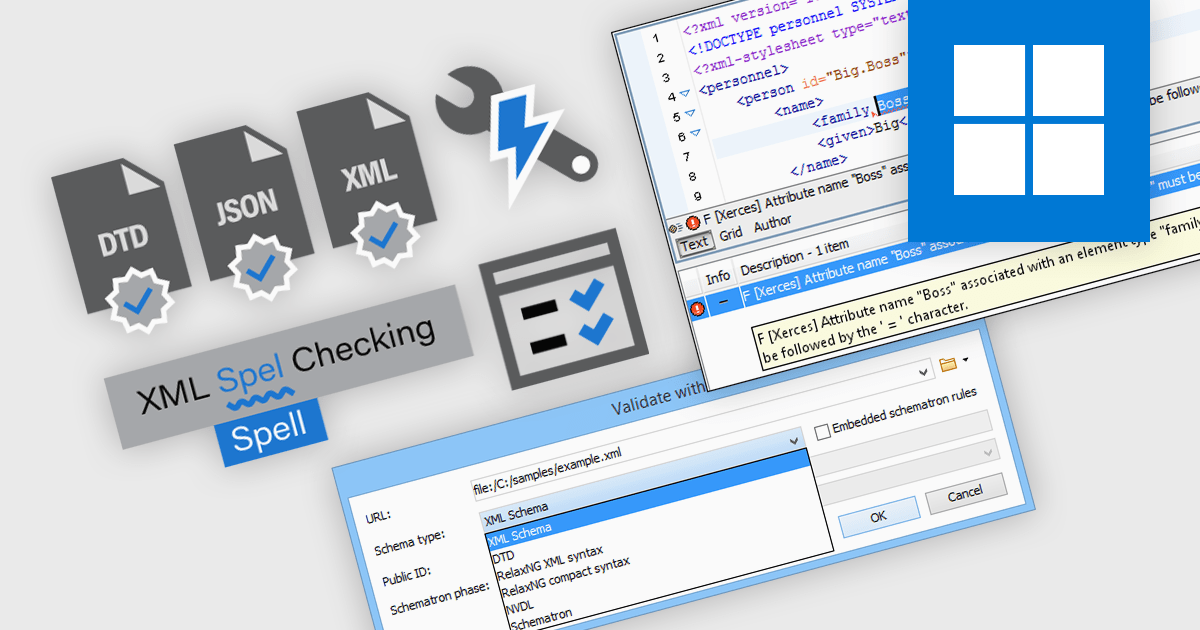
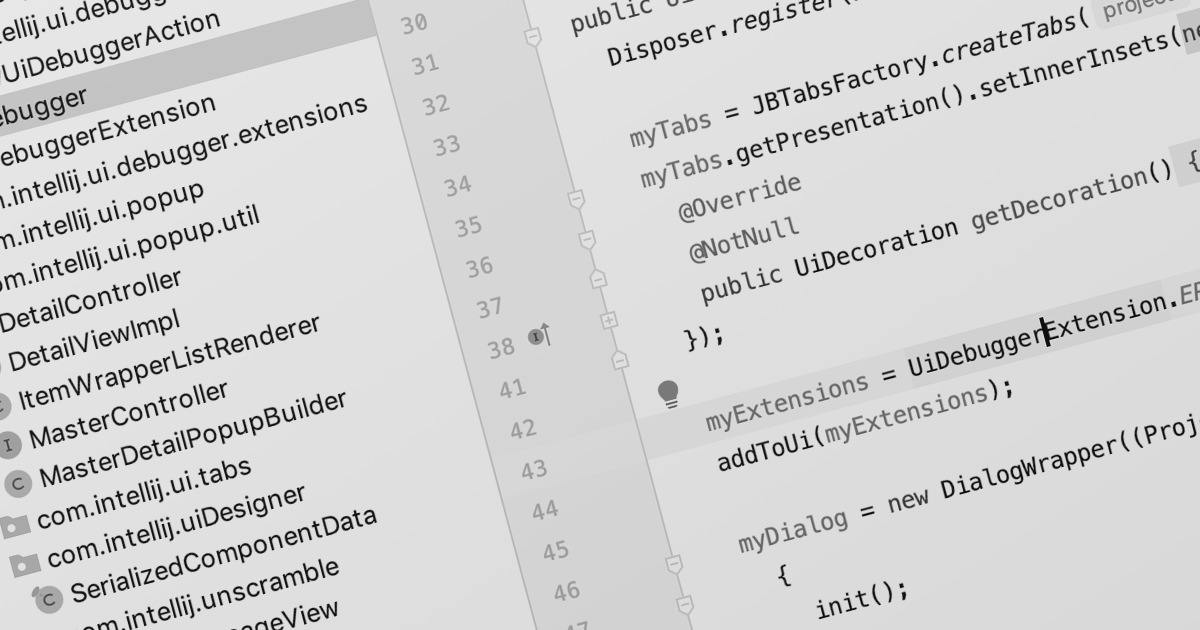
Validation and checking features in structured document tools are designed to ensure the integrity, correctness, and compliance of documents written in formats like XML and JSON. These tools assist developers and content authors throughout the editing process, detecting syntax errors, enforcing structural rules, and maintaining standards conformance. By integrating automated validation, intelligent correction suggestions, and format-specific diagnostics, these features reduce manual debugging effort and enhance the reliability of structured content in technical and data-driven applications.
Common features include:
For an in-depth analysis of features and price, visit our structured document tools comparison.
Tel: (888) 850 9911
Fax: +1 770 250 6199


