








官方供应商
我们作为官方授权经销商,直接提供超过200家开发厂家所发行超过1000个的产品授权给您。
查看我们的所有品牌。
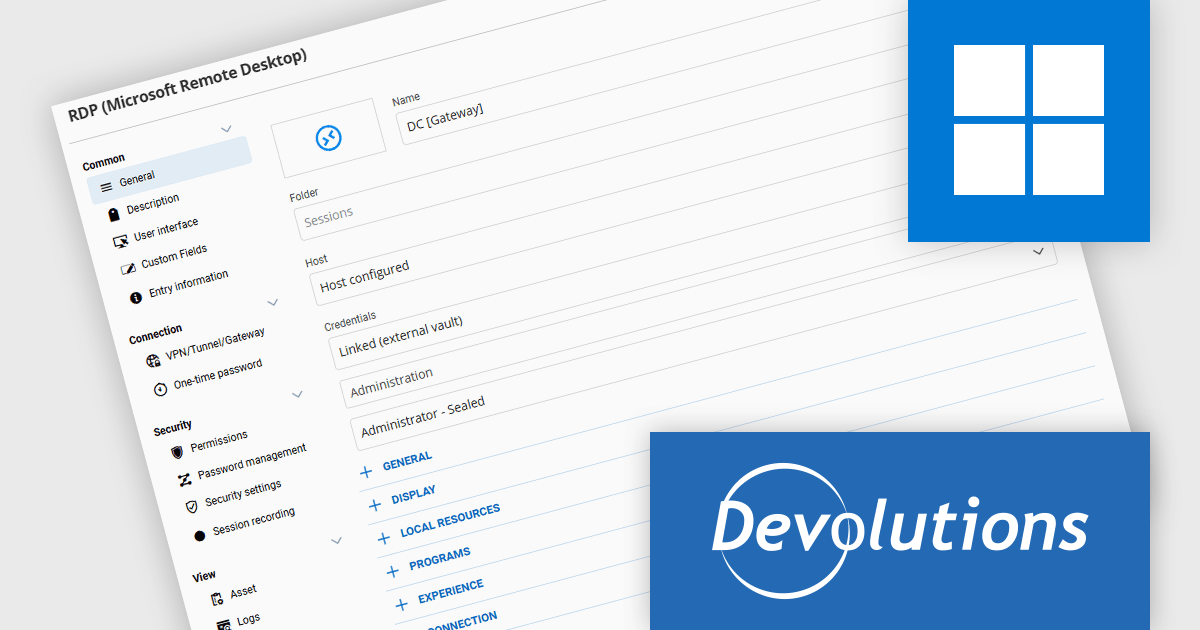
Devolutions Server is a secure, on-premises solution designed to centralize and manage privileged access, credentials, and remote connections for organizations. It enables IT professionals and software developers to securely store and share sensitive data like passwords, API keys, and remote session details within a centralized vault, with robust user access controls and role-based permissions. Devolutions Server integrates with existing infrastructure, supports multi-factor authentication, and provides auditing and logging capabilities to track activities and ensure compliance with security policies.
The Devolutions Server 2025.3 update introduces support for linking to an external vault, allowing developers to reference credentials stored in other vaults without duplication. This enhancement improves credential management by enabling a single source of truth for authentication data across multiple vaults. By linking credentials instead of copying them, teams can ensure consistent access, simplify password rotations, and maintain accurate audit trails. This approach reduces administrative overhead, minimizes configuration errors, and enhances security by preserving centralized control over sensitive information while still enabling flexible, cross-vault access.
To see a full list of what's new in version 2025.3.2.0, see our release notes.
Devolutions Server is available as part of the Devolutions Starter Pack, which is licensed per user and offered as an annual subscription. See our Devolutions Server licensing page for full details.
For more information, visit our Devolutions Server product page.
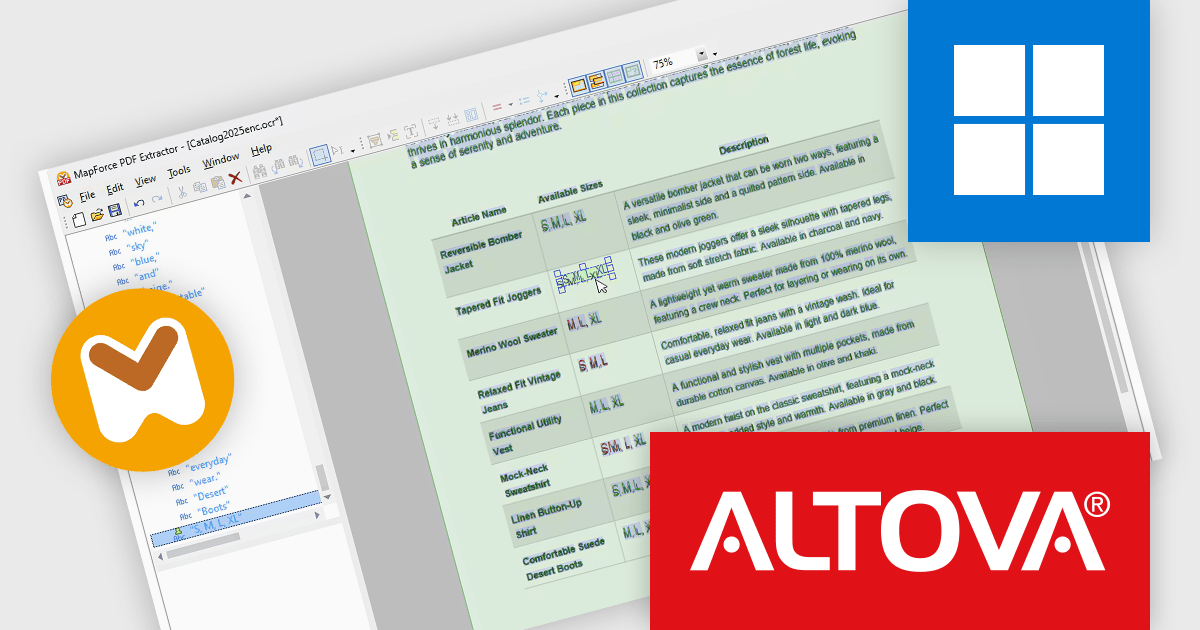
Altova MapForce is a graphical tool designed for seamless data integration and conversion. It empowers users to transform data between various formats, including XML, databases, flat files, PDFs, and web services, using a drag-and-drop interface. This eliminates the need for complex scripting and facilitates efficient data exchange across diverse applications, promoting streamlined workflows and enhanced data accuracy.
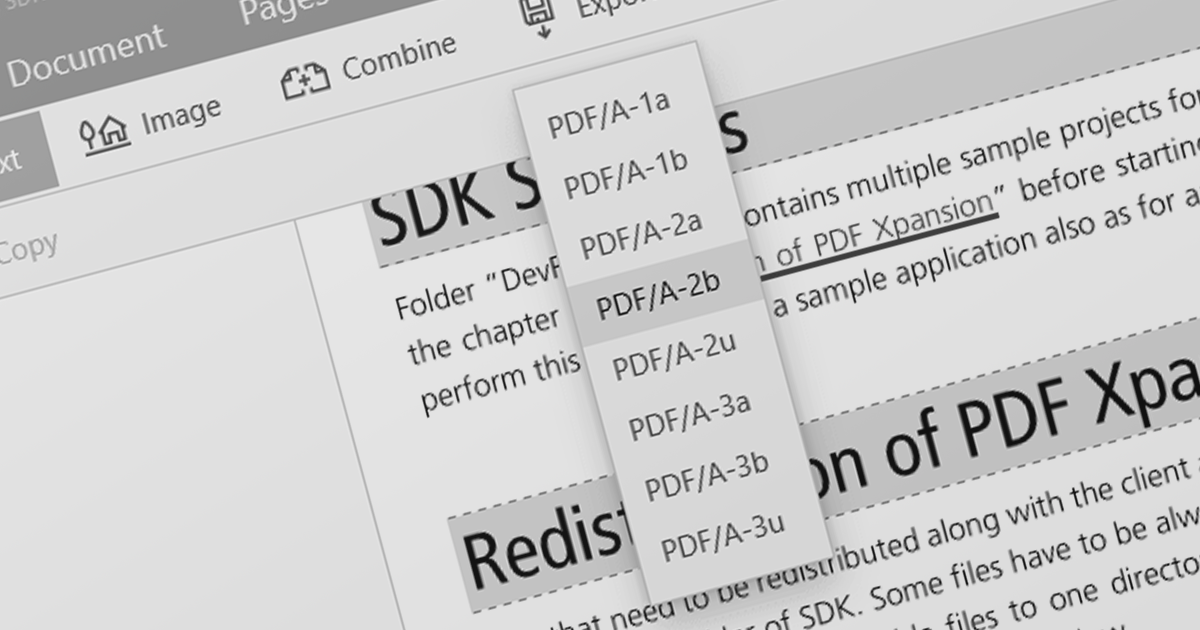
The Altova MapForce Enterprise 2026 update enhances PDF data integration by extending the PDF Extractor with full OCR processing, allowing developers to extract structured text and data from scanned or image-based PDF documents. This capability enables more comprehensive data mapping workflows by converting previously inaccessible content such as digitized paper records, forms, and legacy documents into searchable and editable text. Developers can visually inspect and refine OCR results within MapForce to ensure accuracy before integrating the extracted information into complex data transformations or automation pipelines.
To see a full list of what's new in version 2026, see our release notes.
Altova MapForce is licensed per Installed, Concurrent or Named user. Licenses are perpetual, and come with or without 1 year Support and Maintenance Package (SMP). See our Altova MapForce licensing page for full details.
Altova MapForce is available to buy in the following products:
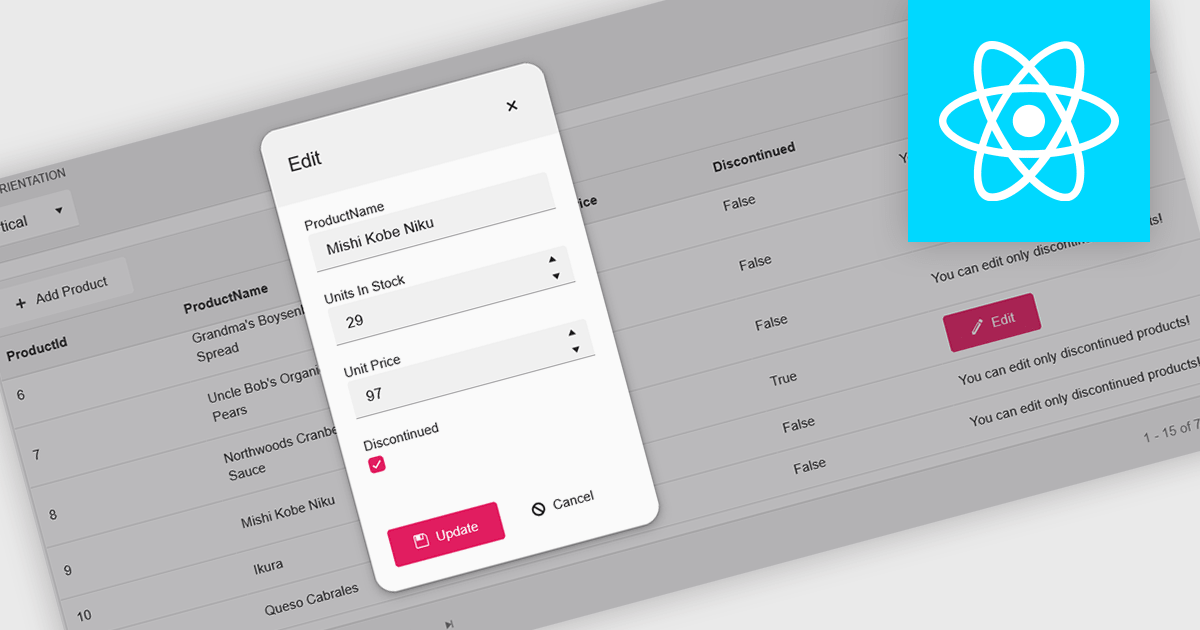
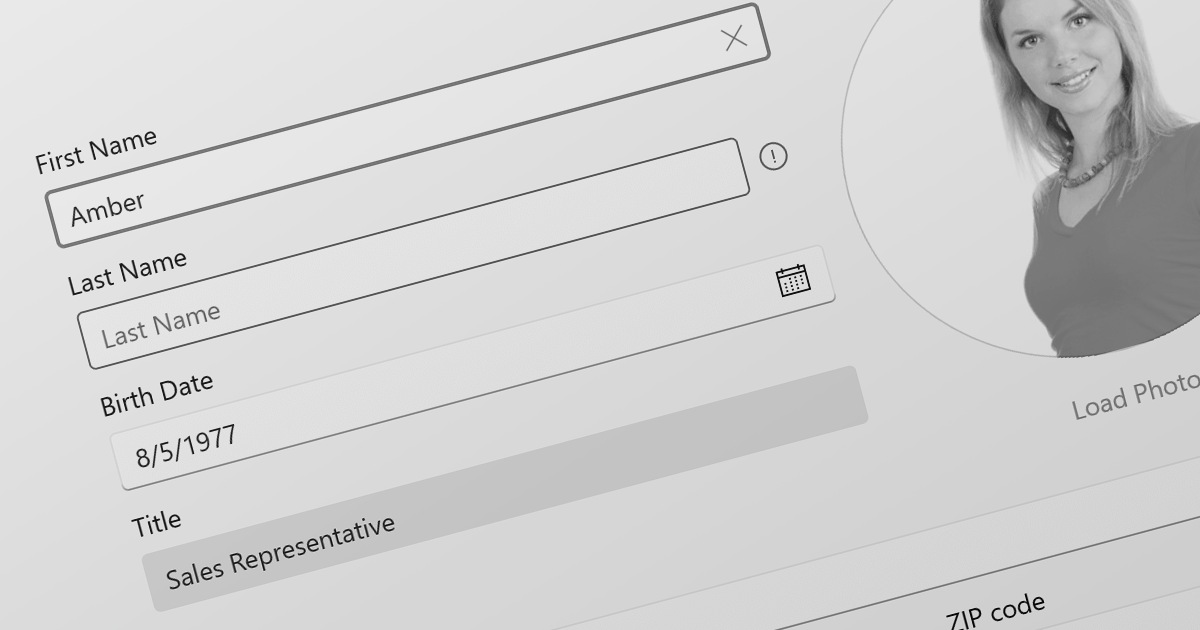
A pop-up editor in a grid provides an efficient and user-friendly way to edit data directly within a grid interface without navigating to a separate page. When a record is selected for editing, a pop-up window appears above the grid, presenting all relevant fields in a clean, structured form. This approach streamlines data management by allowing focused edits while preserving the context of the main dataset. It is particularly beneficial for complex records that contain multiple fields, nested information, or require detailed validation. Common use cases include editing customer records in CRM systems, updating inventory details in product management dashboards, or modifying entries in administrative data grids. By combining convenience, clarity, and control, a pop-up editor enhances both productivity and the overall user experience.
Many React grid controls offer popup editors including:
For an in-depth analysis of features and price, visit our comparison of React Grid Controls.
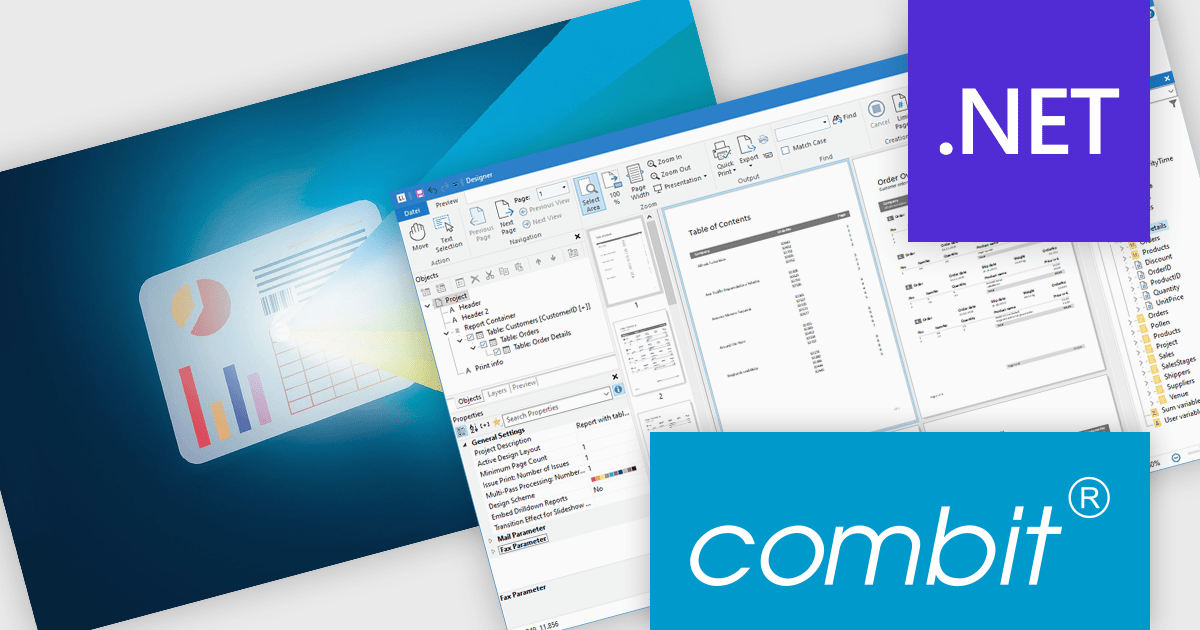
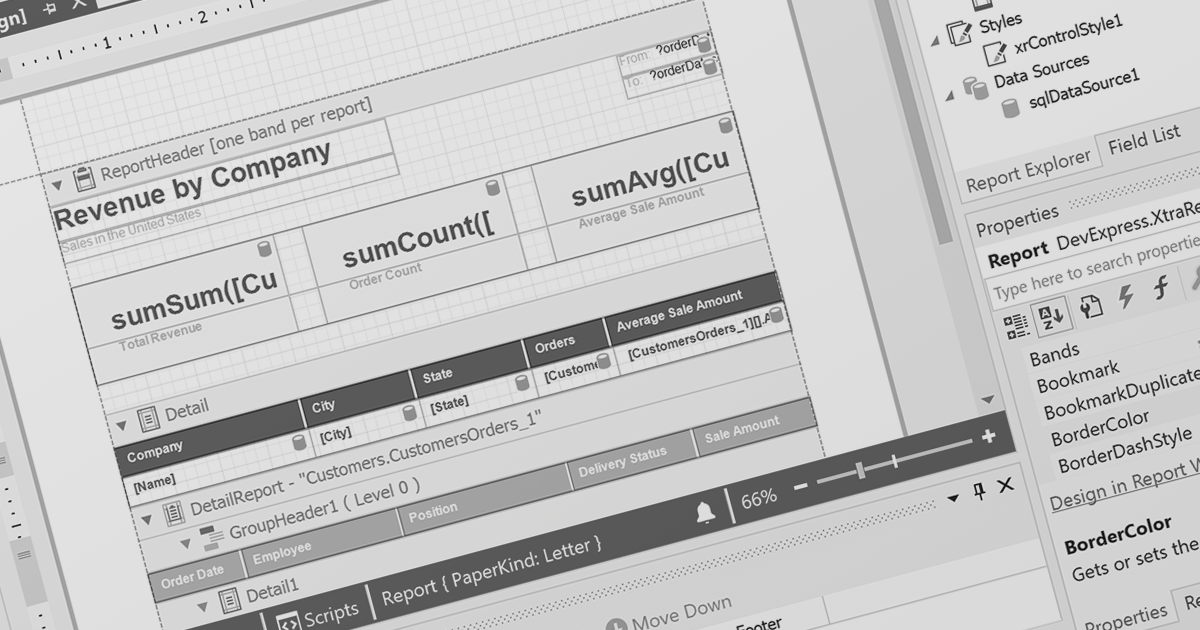
List & Label by combit is a software development toolkit that empowers developers to integrate comprehensive reporting functionalities into their desktop, web, and cloud applications. It offers features such as data binding, complex data visualization, and a user-friendly report designer, along with printing, exporting, and previewing capabilities. List & Label operates independently of programming languages and data sources, providing developers with the flexibility to design and deliver informative reports within their development environment.
The List & Label 31 update introduces cross-platform reporting, enabling developers to design, generate, and distribute reports across Windows, macOS, Linux, and web environments. This enhancement ensures consistent performance, layout accuracy, and data representation on every platform while reducing the need for multiple platform-specific implementations. By unifying the reporting process within a single framework, developers can deliver a cohesive reporting experience to all users, regardless of their operating system.
To see a full list of what's new in version 31, see our release notes.
List & Label is licensed per developer and is available as a Perpetual License with a 12 month support and maintenance subscription. See our List & Label licensing page for full details.
For more information, visit our List & Label Enterprise Reporting Edition product page.
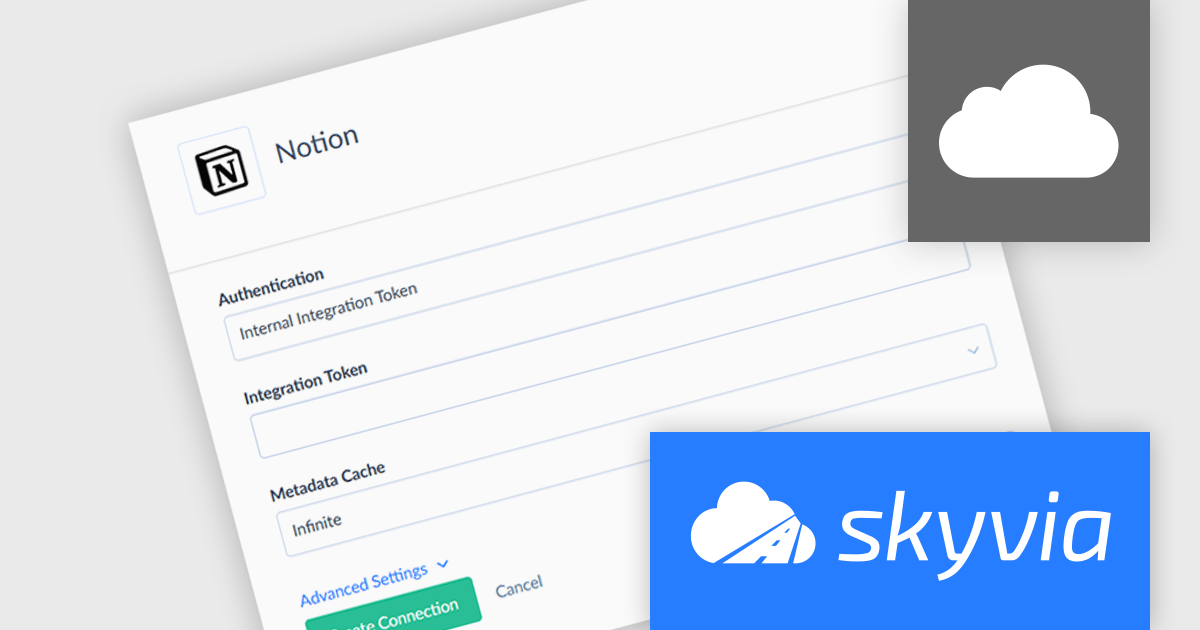
Skyvia Connect is a cloud-based integration platform that enables developers to connect and synchronize data between various applications and databases. It offers a flexible and scalable solution for building data pipelines and automating data workflows, supporting a wide range of data sources and formats. By providing a user-friendly interface and pre-built connectors, Skyvia Connect simplifies the process of integrating data systems, allowing developers to focus on core application development and data management tasks.
The latest release of Skyvia Connect adds a new connector for Notion, an all-in-one platform for individuals and teams to organize thoughts, plans, and workflows. The new connector allows users to publish live Notion content as OData or SQL endpoints, making it accessible for real-time analytics, reporting, and integration with other SaaS platforms. Whether pulling data into Power BI, syncing with CRM systems, or querying structured knowledge bases, teams can now treat Notion databases like any other enterprise data source.
To see a full list of what's new, see our release notes.
Skyvia Connect is licensed based on volume of traffic per month and is available as an Annual License. See our Skyvia Connect licensing page for full details.
Learn more on our Skyvia Connect product page.
联系电话: (888) 850 9911
传真: +1 770 250 6199


