




공식 공급 업체
200 이상의 소프트웨어 개발처와 판매 계약을 맺은 공인 디스트리뷰터로서 합법적인 라이선스를 제공합니다.
모든 브랜드 보기.
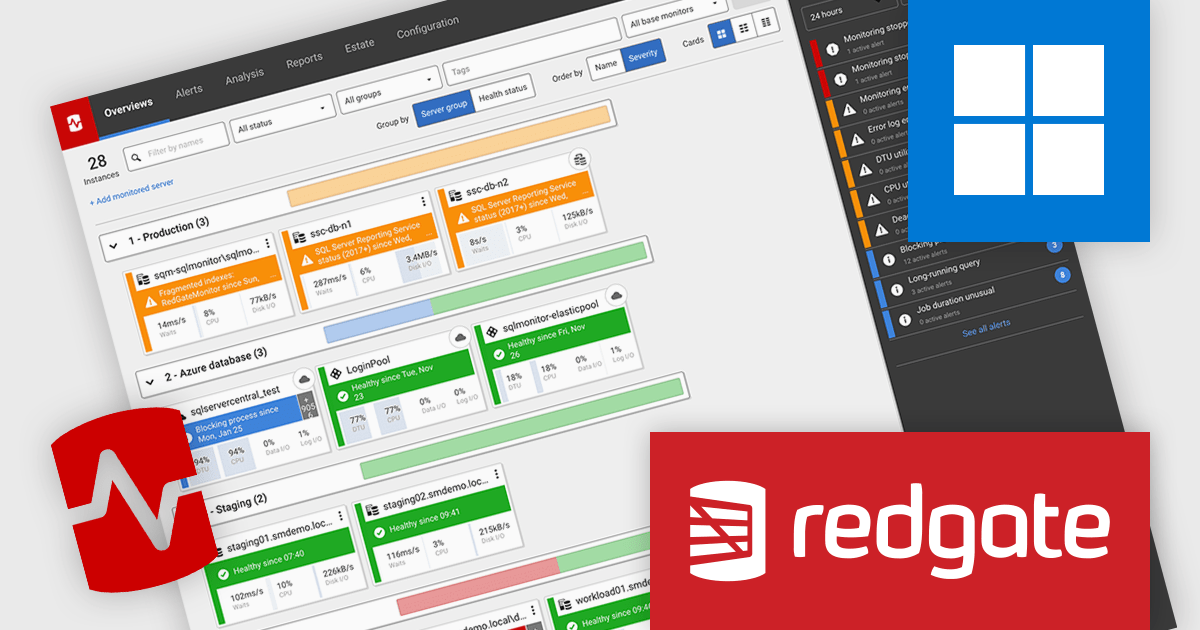
Redgate Monitor (formerly known as SQL Monitor) is a database monitoring tool that helps users quickly identify and fix performance problems on a variety of platforms, including SQL Server and PostgreSQL. It provides real-time monitoring, alerting, root cause analysis, and performance tuning recommendations. Redgate Monitor can be used by DBAs, developers, and operations teams to improve the performance of their databases.
Redgate Monitor provides a centralized dashboard that allows software developers to view and manage their entire SQL Server and PostgreSQL estate from one location. This streamlined interface simplifies the monitoring process by consolidating key performance data, alerts, and diagnostics, enabling faster identification and resolution of issues. By reducing the need to navigate multiple tools or environments, Redgate Monitor helps developers work more efficiently and maintain the stability and performance of their databases.
Redgate Monitor is licensed per server on an annual subscription basis. See our Redgate Monitor licensing page for full details.
For more information, visit our Redgate Monitor product page.
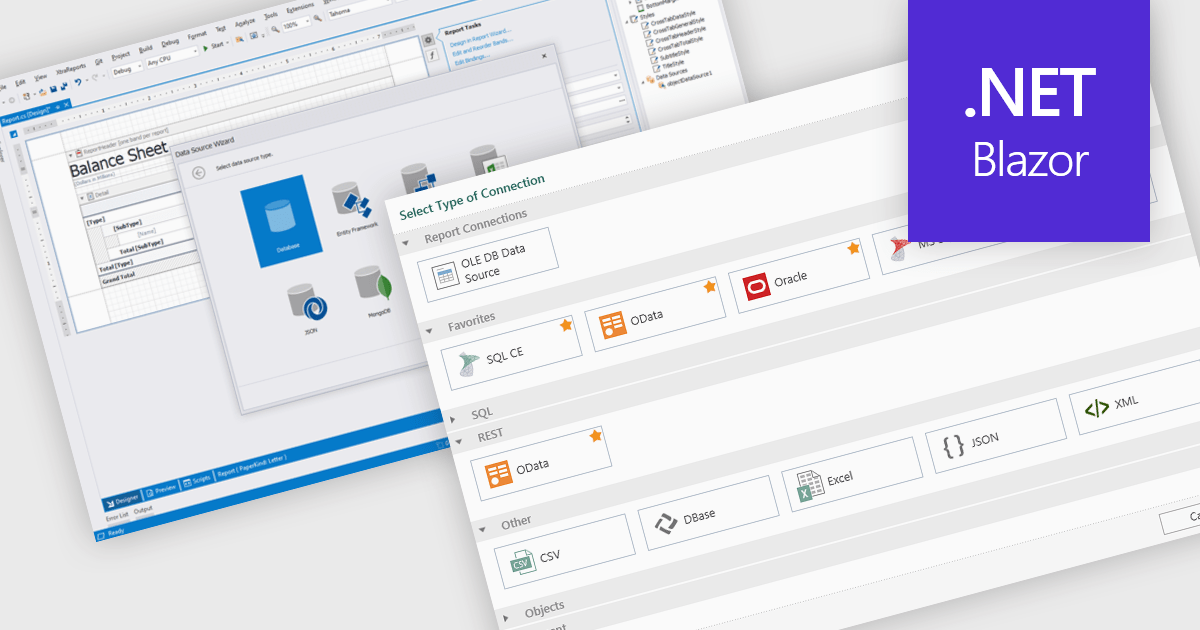
Data connectivity is a foundational aspect of modern reporting components, enabling applications to retrieve and present data from a wide variety of sources. Whether integrating with relational databases, cloud services, or flat files, effective data connectivity ensures that reports reflect current, accurate information. Reporting components are designed to abstract the complexity of accessing these data sources, providing developers with flexible APIs and tools to bind data into visualizations and formatted reports.
Common features include:
For an in-depth analysis of features and price, visit our Blazor reporting components comparison.
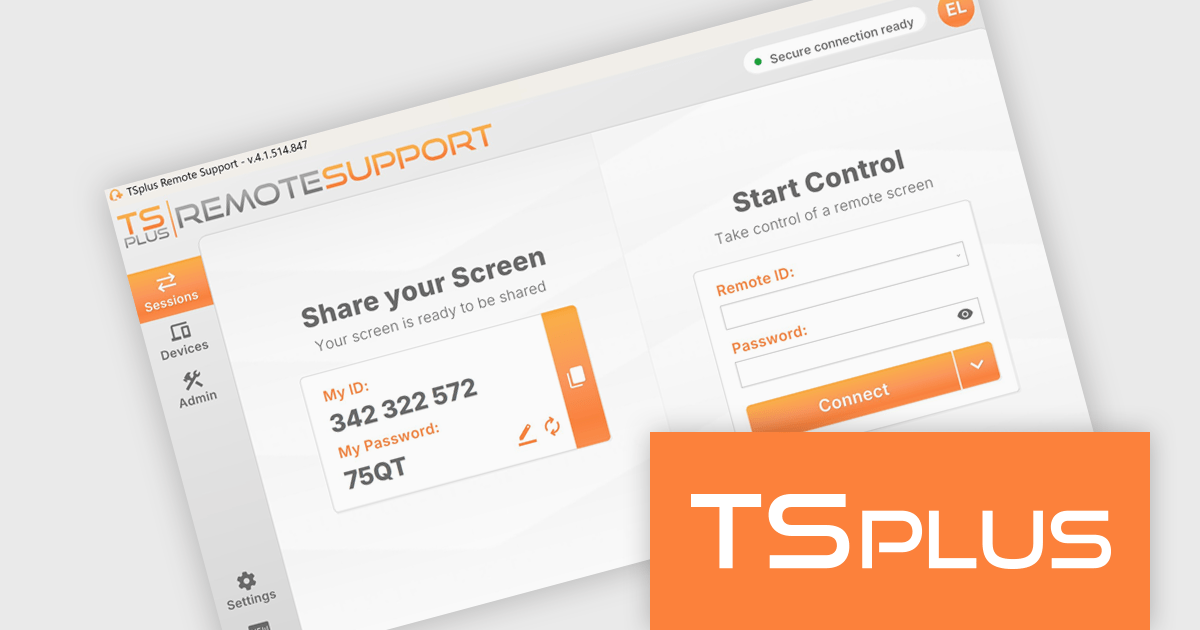
TSplus Remote Support is a remote desktop control solution that enables IT teams to deliver instant attended or unattended assistance without complex setup. Agents can take control of a user’s screen, mouse, and keyboard with a single click and communicate via built-in chat. The platform supports live troubleshooting, background maintenance, branded client customization, and secure connection management through TSplus servers. Typical use cases include help desk support, unattended system updates, and remote training, all achieved through a user-friendly, scalable interface.
TSplus Remote Support offers a robust screen sharing feature that enables support agents to seamlessly take control of a client's screen, mouse, and keyboard with a single click from the end-user. This immediate access is facilitated through a lightweight executable, requiring no installation or configuration, improving the support process. Once connected, a dedicated chat interface appears, allowing for real-time communication and file sharing between the agent and the client. The platform supports both attended and unattended sessions, providing flexibility for various support scenarios.
TSplus Remote Support is licensed per concurrent connection. Licenses include a 1 year subscription for updates and support. See our TSplus Remote Support licensing page for full details.
For more information, visit our TSplus Remote Support product page.
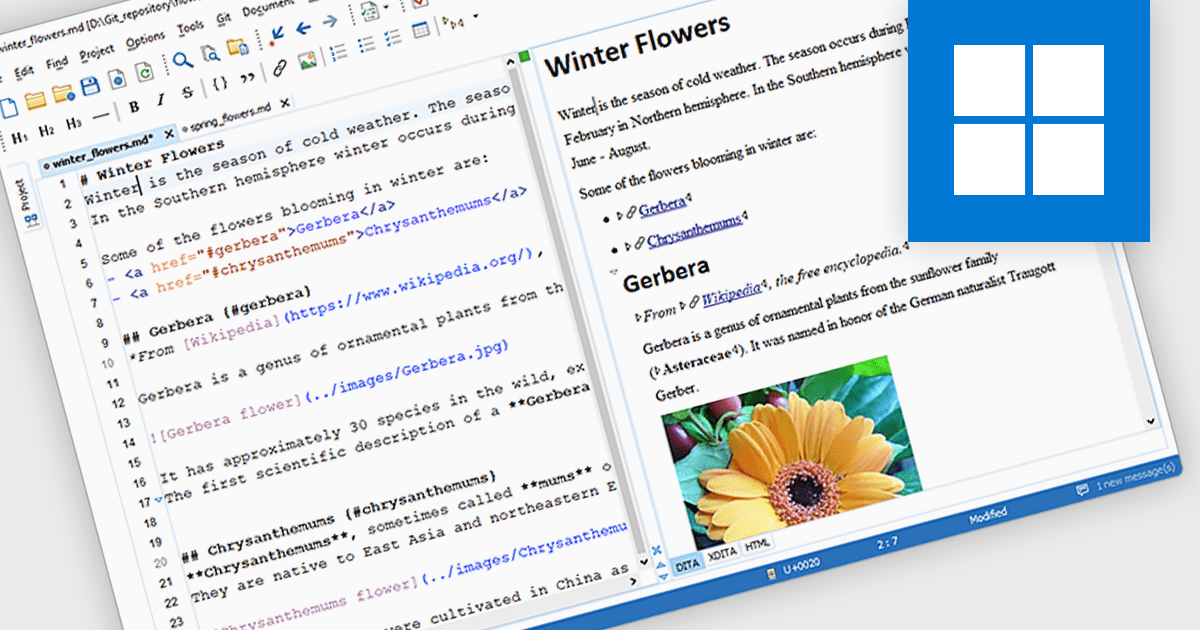
Output Preview in a Structured Document Tool is a feature that allows developers to view a rendered representation of the final document output based on the current structure, formatting rules, and data bindings. This capability is essential for verifying that layout configurations, styling, and dynamic content integration are functioning as expected before the document is finalized or exported. It helps catch formatting issues, data mismatches, or layout problems early in the development process, improving the accuracy and efficiency of document design workflows. For developers, this ensures that the output aligns with business or user requirements without repeatedly exporting or compiling the document.
Several Structured Document Tools offer output preview including:
For an in-depth analysis of features and price, visit our comparison of Structured Document Tools.
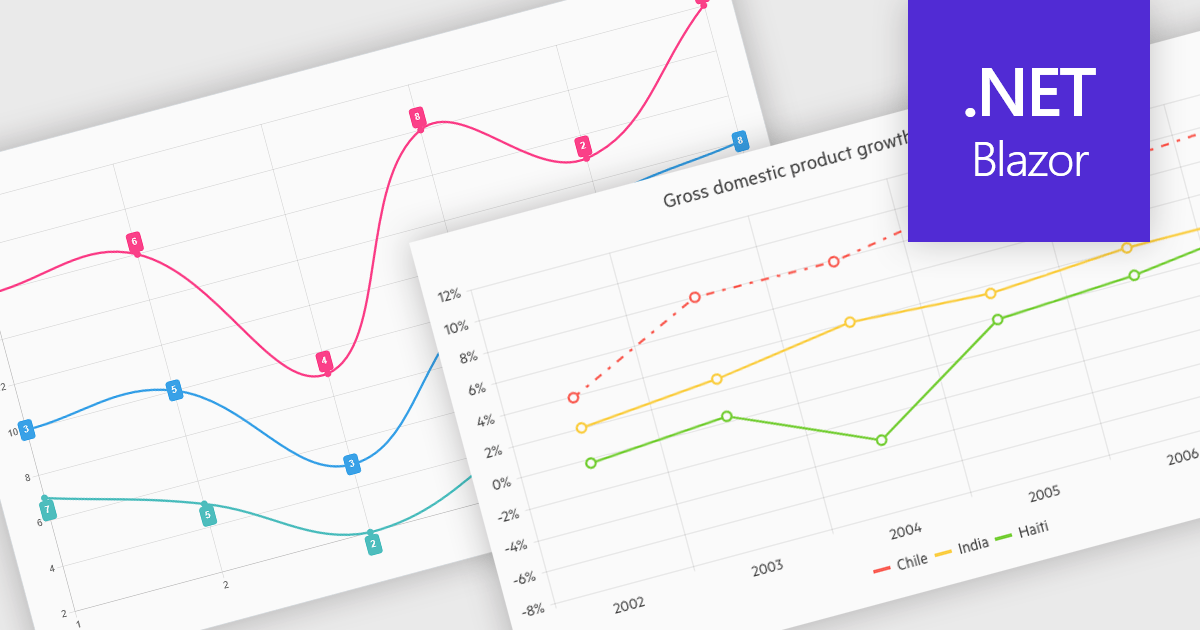
Line charts connect data points with lines to show how values change over a continuous scale, usually time. They make it easy to reveal long-term trends, seasonal patterns and sudden shifts while comparing multiple series on the same axes. Common applications include tracking stock prices, monitoring website traffic, analyzing climate data and comparing regional sales to guide business strategy. By highlighting progression and anomalies without clutter, line charts help turn raw numbers into clear, actionable insights.
Several .NET Blazor Chart Controls offer support for line charts including:
For an in-depth analysis of features and price, visit our comparison of .NET Blazor Chart Controls.
전화 : 00798 14 800 6332
팩스 : +1 770 250 6199


