





공식 공급 업체
200 이상의 소프트웨어 개발처와 판매 계약을 맺은 공인 디스트리뷰터로서 합법적인 라이선스를 제공합니다.
모든 브랜드 보기.
Aspose.PSD is a software development toolkit (SDK) enabling developers to create, edit, and manipulate Adobe Photoshop (PSD) and large document (PSB) files without requiring Photoshop itself. Available in both .NET and Java versions, it empowers developers to perform diverse tasks like adding watermarks, extracting individual layers, converting PSDs to other image formats (JPEG, PNG, etc.), and even automating PSD processing within their applications. This versatile tool streamlines graphic design workflows and integrates PSD functionality seamlessly into various development environments.
The 23.12 release of Aspose.PSD adds the ability to open any image file as an embedded smart object in a PSD image. A smart object acts as a container, holding multiple layers while offering non-destructive editing. It allows you to edit its internal content or apply effects without altering the original data. Smart objects work as dynamic placeholders, linked to embedded files, letting you make global changes that automatically update and maintain high resolution, perfect for flexible design and efficient workflows.
To see a full list of what's new in Aspose.PSD version 23.12, see our .NET and Java release notes.
Aspose.PSD is offered as Developer Small Business, Developer OEM, Site Small Business, and Site OEM licenses catering to a range of business needs. Licenses are perpetual, and include one year of support and maintenance. Subscription renewals are also available. See our Aspose.PSD licensing pages for .NET and Java for full details.
Aspose.PSD for .NET is available to buy in the following products: Aspose.PSD for .NET, Aspose.PSD Product Family, Aspose.Total for .NET, Aspose.Total Product Family, Conholdate.Total for .NET, and Conholdate Total Product Family
Aspose.PSD for Java is available to buy in the following products: Aspose.PSD for Java, Aspose.PSD Product Family, Aspose.Total for Java, Aspose.Total Product Family, Conholdate.Total for Java, and Conholdate Total Product Family
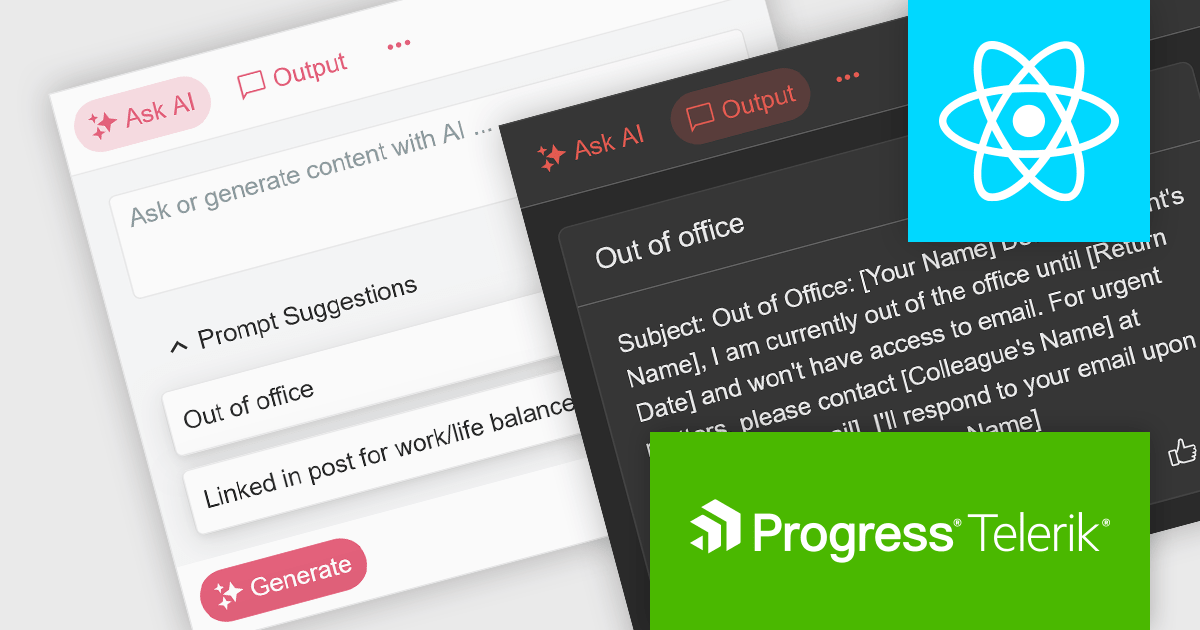
KendoReact by Telerik is a professional UI kit of more than 120 responsive and customizable native UI and DataViz components for React developers. Designed to save time building powerful high performance React apps, it helps ensure a modern, consistent look-and-feel across your app's UI.
KendoReact v7.1.0, which is part of the 2024 Q1 release, introduces an "AIPrompt" component which allows React developers to integrate generative AI services into their applications. With it you can set up custom suggestions to actively guide users, customize the generate button and prompt input field, and define custom prompt commands so it will do a certain action when a specific command is given. This component also enables you to adapt its behaviour based on user interaction, to ensure it responds smoothly, as it emits several user triggered events. This will help to give your application a modern, customizable and seamless UI.
To see a full list of what’s new in 2024 Q1 (v7.1.0), see our release notes.
KendoReact is licensed per developer and is available as a perpetual license with a 1 year support subscription, which is available in 3 tiers: Lite, Priority or Ultimate. See our KendoReact licensing page for full details.
KendoReact is available to buy in the following products:
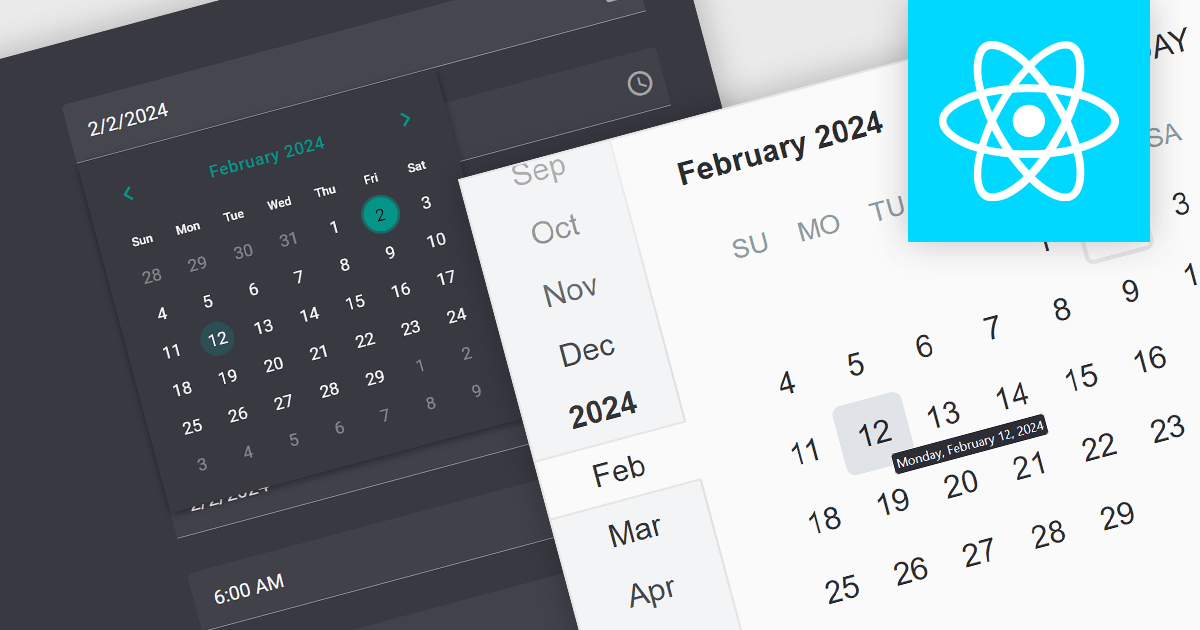
A date editor control is a user interface element designed for selecting and entering dates. It typically combines a text field for manual input with a calendar popup for visual selection. Beyond basic date picking, many controls offer features like time selection, range definition, drop-down lists for pre-defined dates, and even input masks for enforcing specific date formats. Commonly found in applications like forms, booking systems, and calendars, date editor controls streamline date input, improving user experience and data accuracy.
Several React data editor collections provide date editors including:
For an in-depth analysis of features and price, visit our React Data Editors comparison.
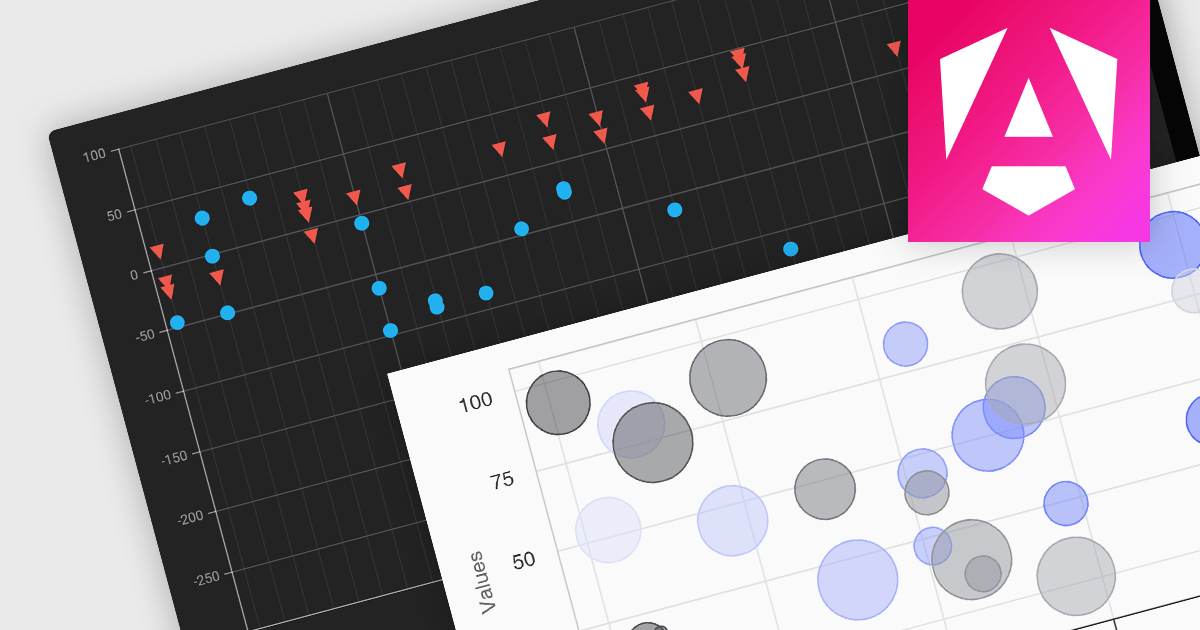
Scatter and bubble charts are used to display data points on a two-dimensional graph. While scatter charts use dots to represent data points, bubble charts add an additional dimension by varying the dot size, often representing volume or intensity. These charts are useful for showing relationships between variables and for identifying patterns or trends in data.
Several Angular chart controls offer scatter and bubble charts including:
For an in-depth analysis of features and price, visit our Angular chart controls comparison.
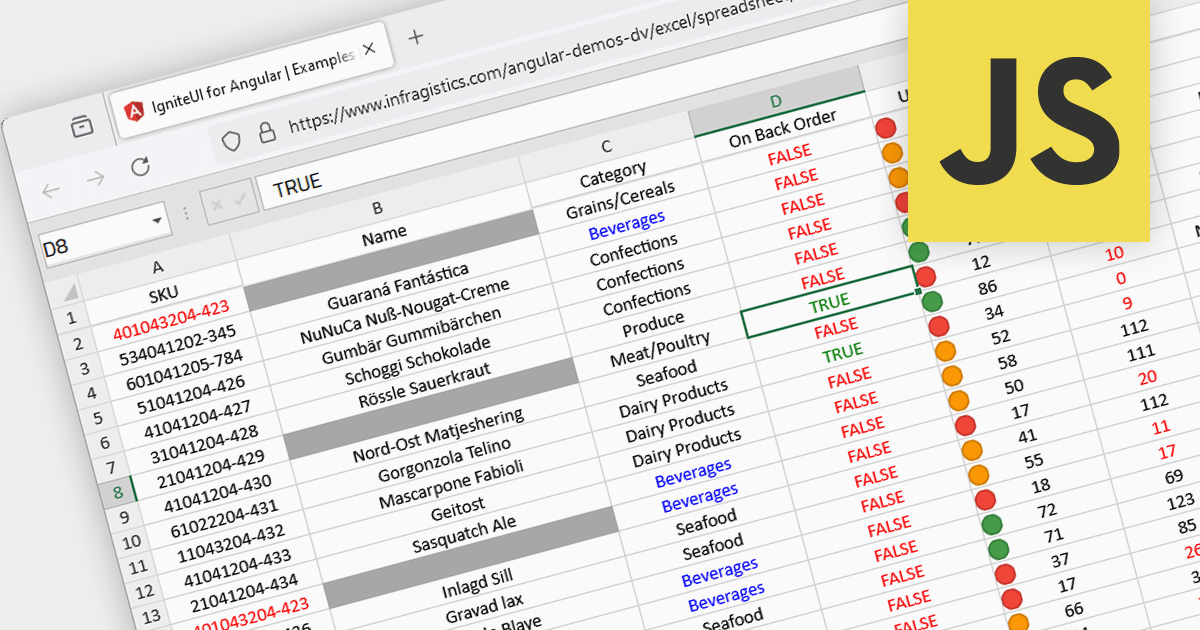
Conditional formatting in spreadsheets automates the visual highlighting of cells or ranges based on predefined criteria. This functionality aids data analysis by rapidly drawing attention to specific values, ranges, or text entries. By employing color scales, gradients, or text changes, conditional formatting helps users identify patterns, exceptions, and trends within large datasets, streamlining the interpretation and communication of key insights.
Several JavaScript spreadsheet controls offer conditional formatting including:
For an in-depth analysis of features and price, visit our comparison of JavaScript spreadsheets.
전화 : 00798 14 800 6332
팩스 : +1 770 250 6199


