








공식 공급 업체
200 이상의 소프트웨어 개발처와 판매 계약을 맺은 공인 디스트리뷰터로서 합법적인 라이선스를 제공합니다.
모든 브랜드 보기.
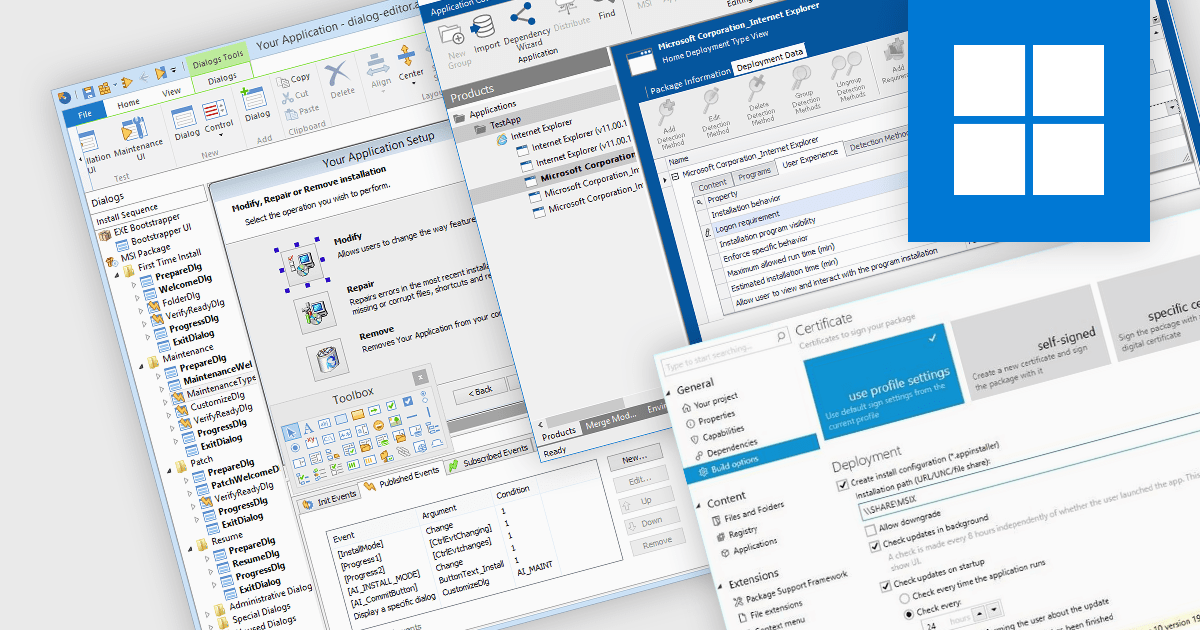
Cloud deployment is the process of delivering and managing software applications in a cloud computing environment. This eliminates the need for physical installations on individual devices and allows for centralized updates, easier scaling, and improved accessibility for users. Cloud deployment streamlines development workflows and reduces infrastructure costs, making it an attractive option for modern software development.
Several installation tools offer Cloud deployment including:
For an in-depth analysis of features and price, visit our comparison of Installation Tools.
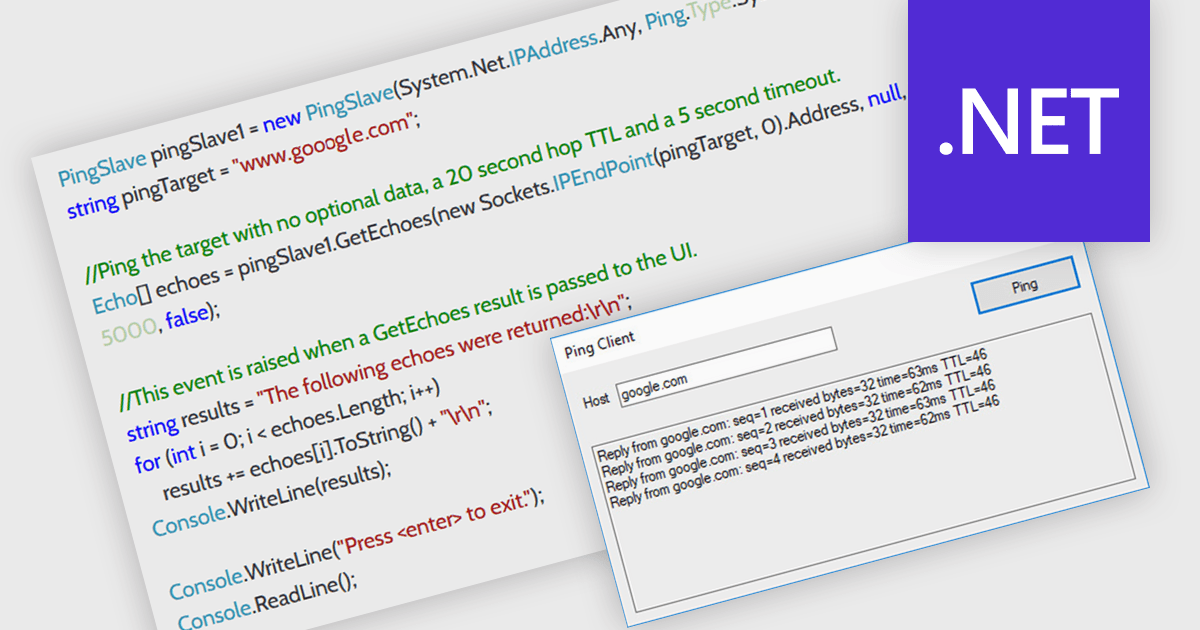
In a .NET communication component, ping support refers to the ability to send a simple message to a remote endpoint to verify its connectivity and responsiveness. This functionality is valuable for developers as it allows them to proactively check if the target device or service is online before attempting data exchange. This can help identify potential connection issues early in the communication process, improving the overall reliability and efficiency of the application.
Several .NET communications and messaging components offer ping support including:
For an in-depth analysis of features and price, visit our comparison of .NET Comms & Messaging components.
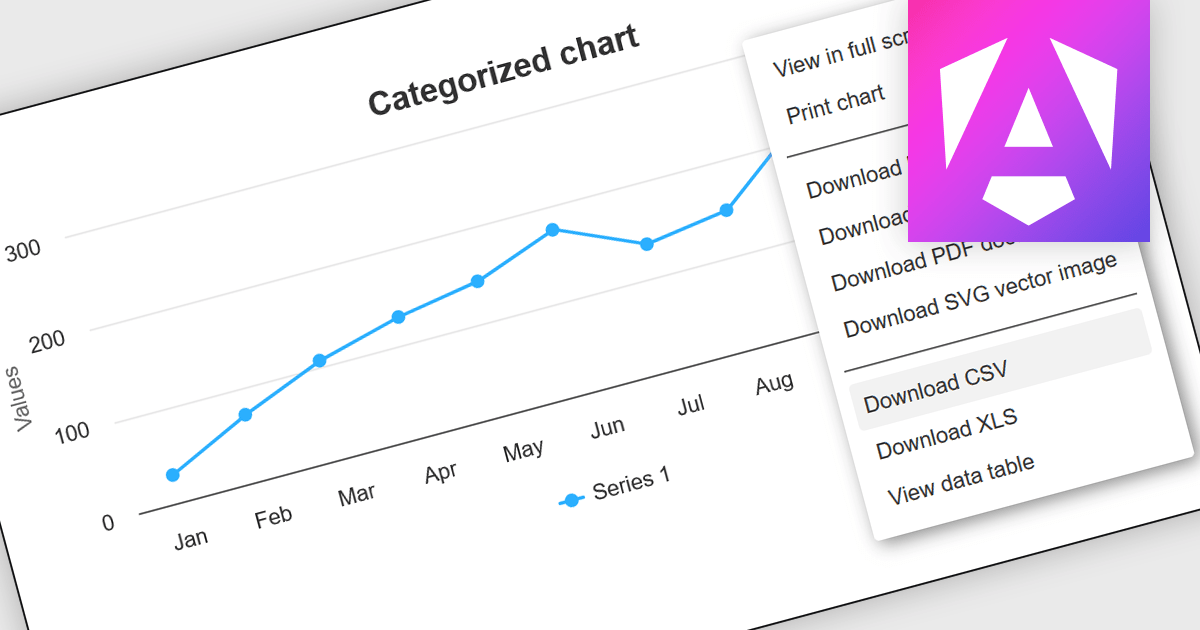
CSV export functionality in Angular chart components enables users to download the data represented in chart form as a CSV (comma-separated values) file directly from Angular-based web applications. This feature is particularly useful for developers who need to provide end-users with the flexibility to manipulate, analyze, or store chart data independently from the web interface. By integrating CSV export, applications can enhance data accessibility and user satisfaction, allowing for data transfer and offline analysis. This functionality also supports better data management practices and can be vital in environments where data needs to be shared across different platforms or systems, thereby increasing the interoperability and practical utility of the application.
Several Angular chart controls offer export to CSV including:
For an in-depth analysis of features and price, visit our comparison of Angular chart controls.
Aspose.Finance is a software development toolkit that empowers developers to work with financial data formats within their applications. It tackles specific formats like XBRL (eXtensible Business Reporting Language) and OFX (Open Financial Exchange) used for financial statements and banking data exchange. Aspose.Finance allows developers to create, read, manipulate, and convert these files, streamlining financial data integration within their software solutions.
The Aspose.Finance 24.4 release adds support for converting OFX output to Excel and CSV formats. These widespread spreadsheet formats enable easier data manipulation, analysis in familiar tools like Excel, and seamless import into budgeting or accounting software that might not directly support OFX, simplifying financial record keeping and analysis.
To see a full list of what's new in version 24.4, see our .NET and Python via .NET release notes.
Aspose.Finance is offered as Developer Small Business, Developer OEM, Site Small Business, and Site OEM licenses catering to a range of business needs. Licenses are perpetual, and include 1 year of support and maintenance. Subscription renewals are also available. See our Aspose.Finance licensing pages for .NET and Python via .NET for full details.
Aspose.Finance for .NET is available to buy in the following products: Aspose.Finance for .NET, Aspose.Total for .NET, Aspose.Total Product Family, Conholdate.Total for .NET, and Conholdate.Total Product Family.
Aspose.Finance for Python via .NET is available to buy in the following products: Aspose.Finance for Python via .NET, Aspose.Total for Python via .NET, and Aspose.Total Product Family.
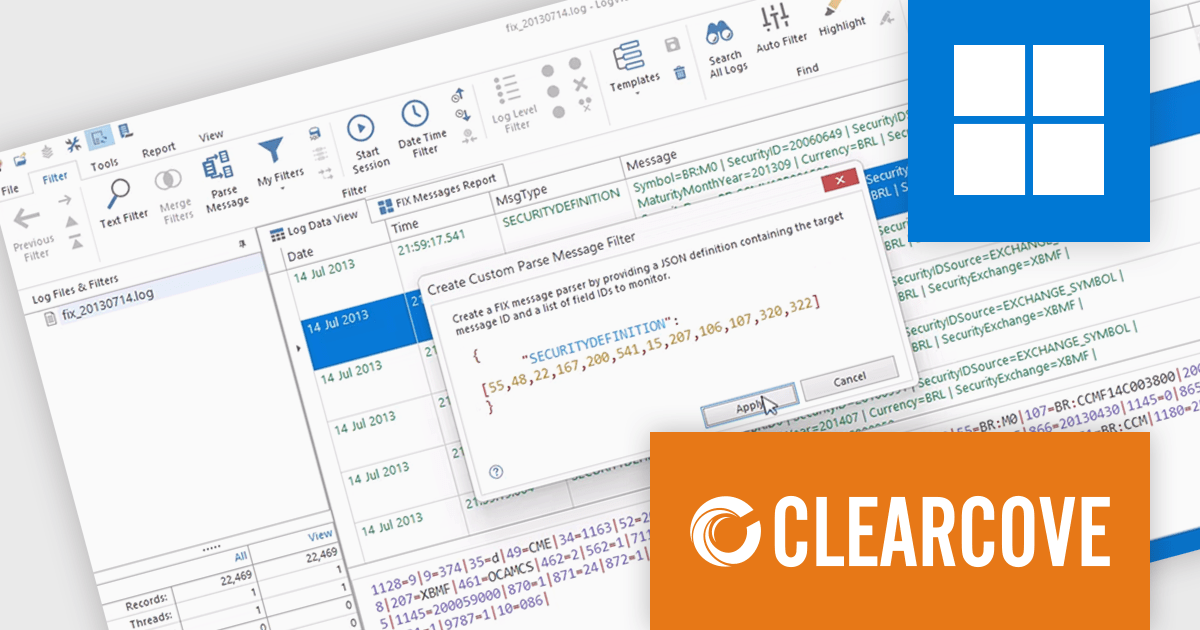
LogViewPlus streamlines application log analysis by intelligently parsing log structures for advanced filtering capabilities. It automatically detects common formats like JSON, XML, and CSV, and even allows you to create custom parsers for unique log types. This structure, along with the powerful filtering options, save you valuable time by simplifying debugging and system analysis.
The LogViewPlus V3.1.9 release adds the ability to parse FIX log messages. These logs, used in electronic trading systems, contain critical data encoded in a specific format with tags and delimiters. Parsing individual messages from log files generated by the Financial Information eXchange (FIX) protocol, enables you to break down the messages into a structured and understandable format, allowing for easier analysis of trade activity, troubleshooting of errors, and ensuring regulatory compliance.
To see a full list of what's new in 3.1.9, see our release notes.
LogViewPlus is licensed per user and is available as a or Perpertual license with 1 year support and maintenance. See our LogViewPlus licensing page for full details.
Learn more on our LogViewPlus product page.
전화 : 00798 14 800 6332
팩스 : +1 770 250 6199


