







官方供應商
我們作為官方授權經銷商,直接提供超過200家開發廠家所發行超過1000個的產品授權給您。
請參閱我們所有的品牌。
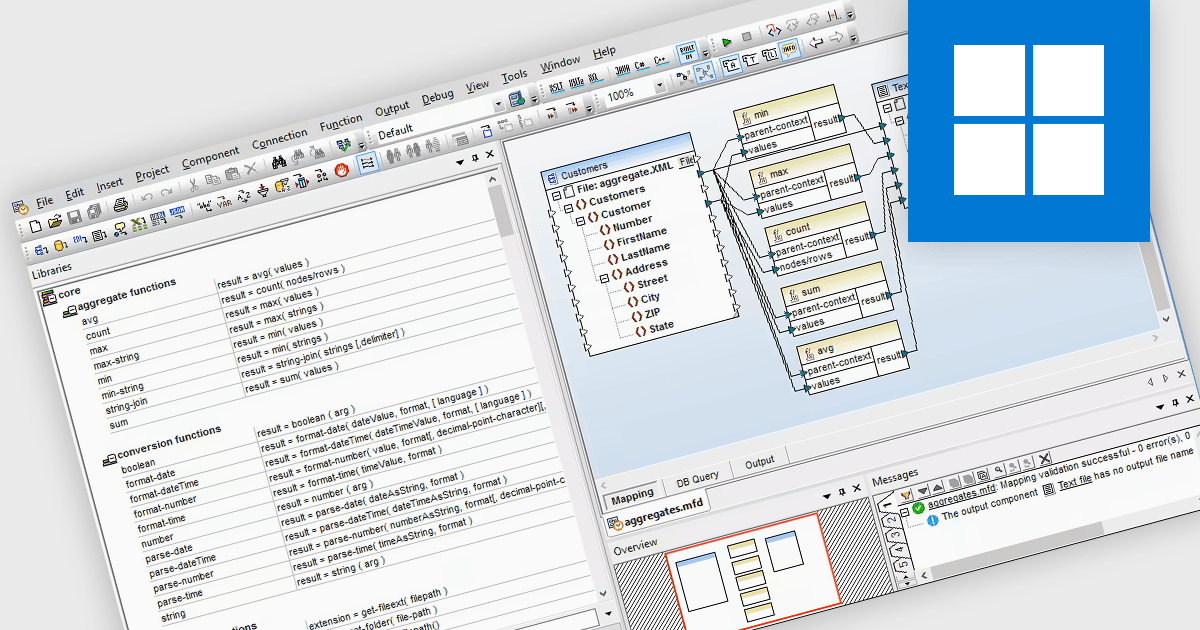
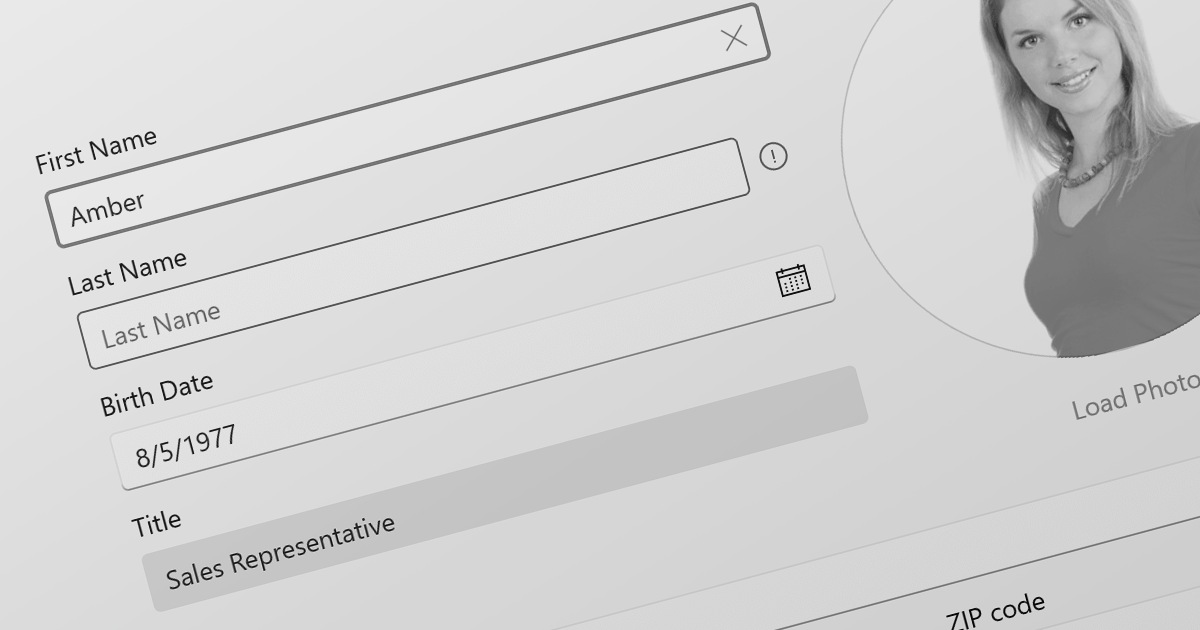
Data Manipulation in a Structured Document Tool refers to the ability to programmatically access, modify, and reorganize data within documents that follow a defined structure, such as XML or JSON. For software developers, this enables precise control over document content, supports dynamic content generation, and facilitates integration with external systems or data sources. It helps ensure consistency across document workflows and allows developers to automate updates, enforce validation rules, and transform data to meet specific application requirements.
Many Structured Document tools offer data manipulation including:
For an in-depth analysis of features and price, visit our comparison of Structured Document Tools.
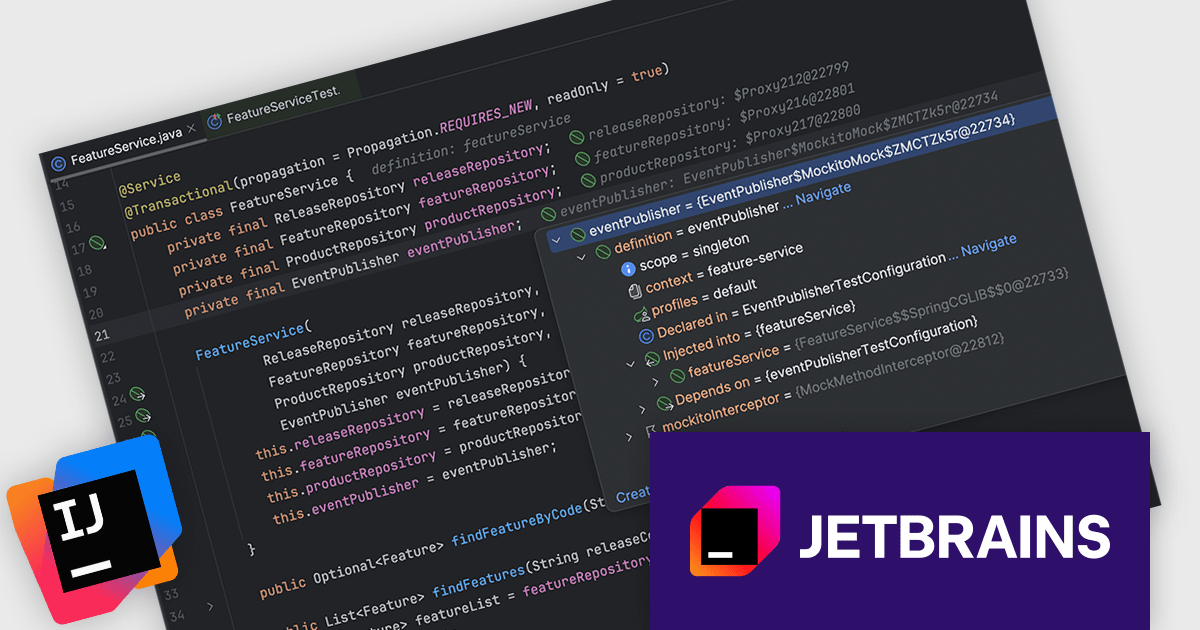
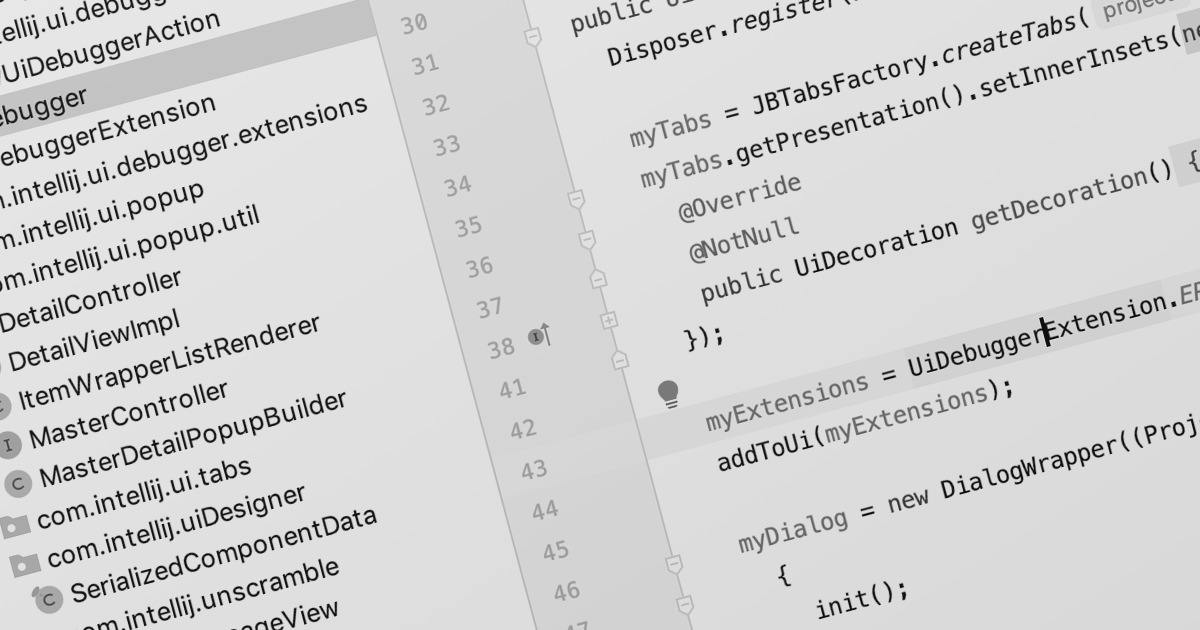
IntelliJ IDEA by JetBrains is an integrated development environment (IDE) designed to maximize developer productivity through intelligent code assistance, deep language understanding, and robust developer tools. Known for its support for Java and a wide array of other languages and frameworks, IntelliJ IDEA offers advanced code completion, on-the-fly analysis, and reliable refactoring tools that accelerate the entire development process. With a strong focus on ergonomics and performance, it enables professionals to write, test, and debug high-quality code faster and with greater confidence.
The IntelliJ IDEA 2025.2 update adds new Spring Debugger, aiming to significantly improve how developers analyze and resolve issues in Spring-based applications. This update provides deep, real-time visibility into application internals directly from the IDE, removing the need to jump between logs, code, and external tools during debugging. Developers can now instantly see which Spring beans are currently loaded or mocked, and evaluate their definitions without restarting the application. This live view extends to resolved configuration values, with precise source tracking - even for values pulled from environment variables or profile-specific settings. This can help teams pinpoint misconfigurations much faster.
To see a full list of what's new in version 2025.2 see our release notes.
IntelliJ IDEA is licensed per user as a commercial annual subscription. We can supply New Subscriptions, Subscription Renewals, Lapsed Subscription Renewals, and Additional Developer Licenses. See our IntelliJ IDEA licensing page for full details.
IntelliJ IDEA is available to buy in the following products:
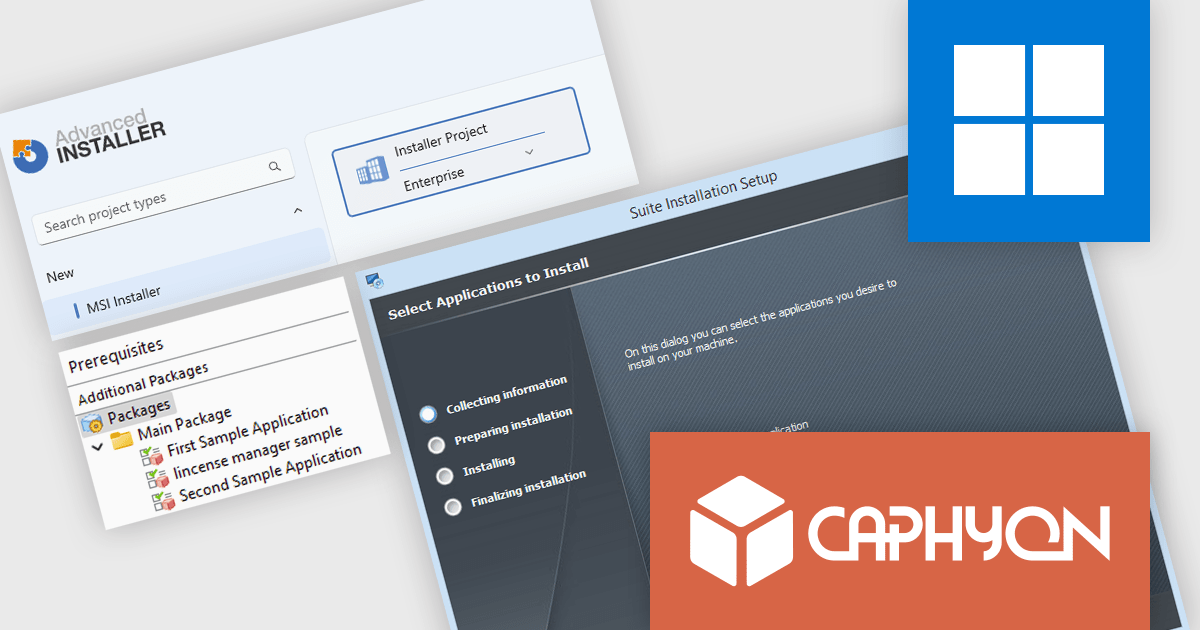
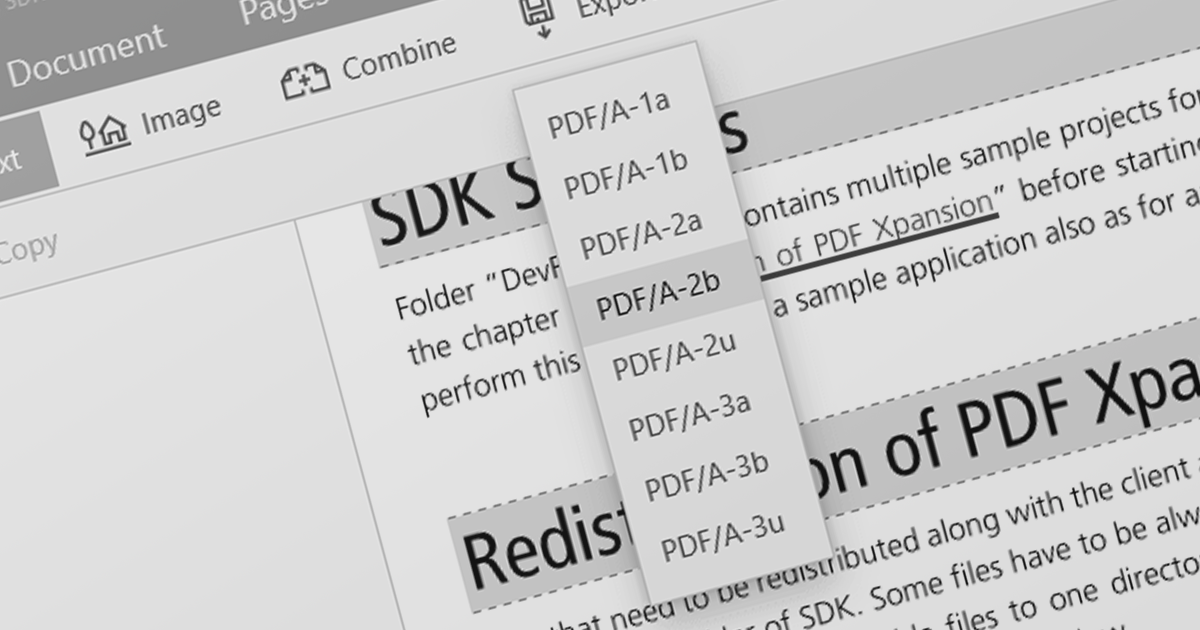
Advanced Installer by Caphyon is a versatile software packaging tool used by developers, IT administrators, and software vendors to create reliable, professional-grade installation packages. It simplifies the deployment process for applications across various platforms, offering features like built-in compliance checks, configuration of server roles, and seamless integration with development frameworks. By automating complex tasks, it helps teams save time and reduce errors, making it an indispensable tool for deploying enterprise applications, client-server solutions, and cloud-connected software.
The Advanced Installer 23.0 update introduces the new Suite Installer, allowing developers to bundle multiple applications into a single, customizable installer that reflects their brand identity. This enhancement simplifies deployment by centralizing installation and updates, while offering end users a more refined experience where they can select only the applications they need. By combining flexibility for users with efficiency for developers, the Suite Installer reduces complexity, saves time, and ensures a more professional and consistent delivery process.
To see a full list of what's new in version V23.0, see our release notes.
Advanced Installer is licensed per user and is available as an annual or perpetual license with 1 year support and maintenance. See our Advanced Installer licensing page for full details.
For more information, visit our Advanced Installer product pages:
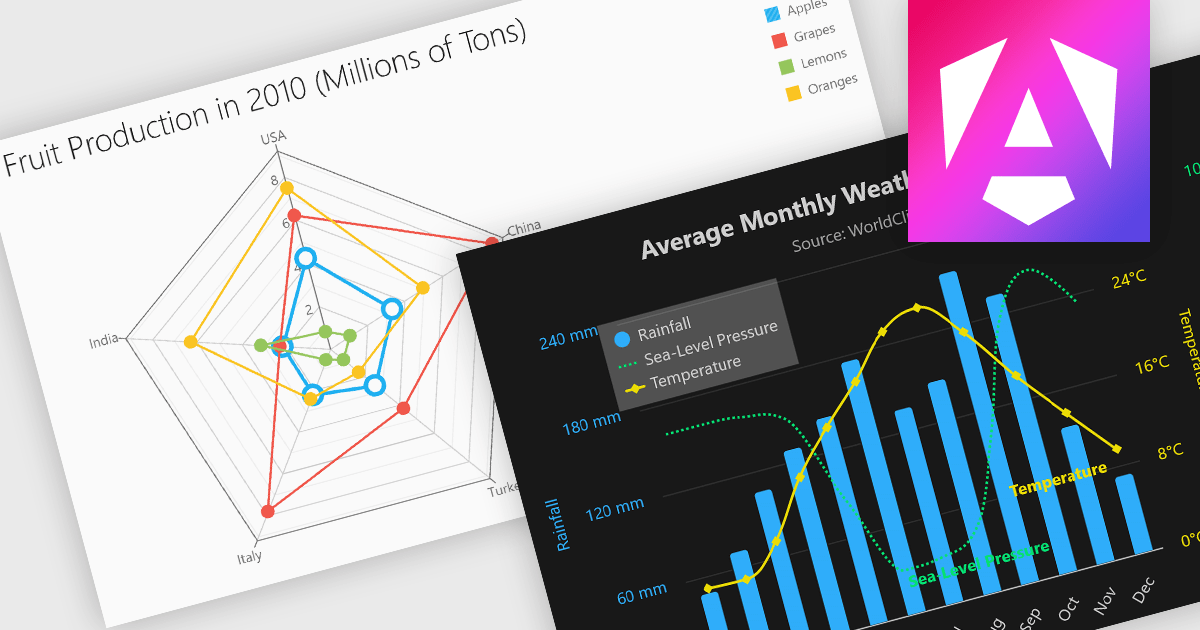
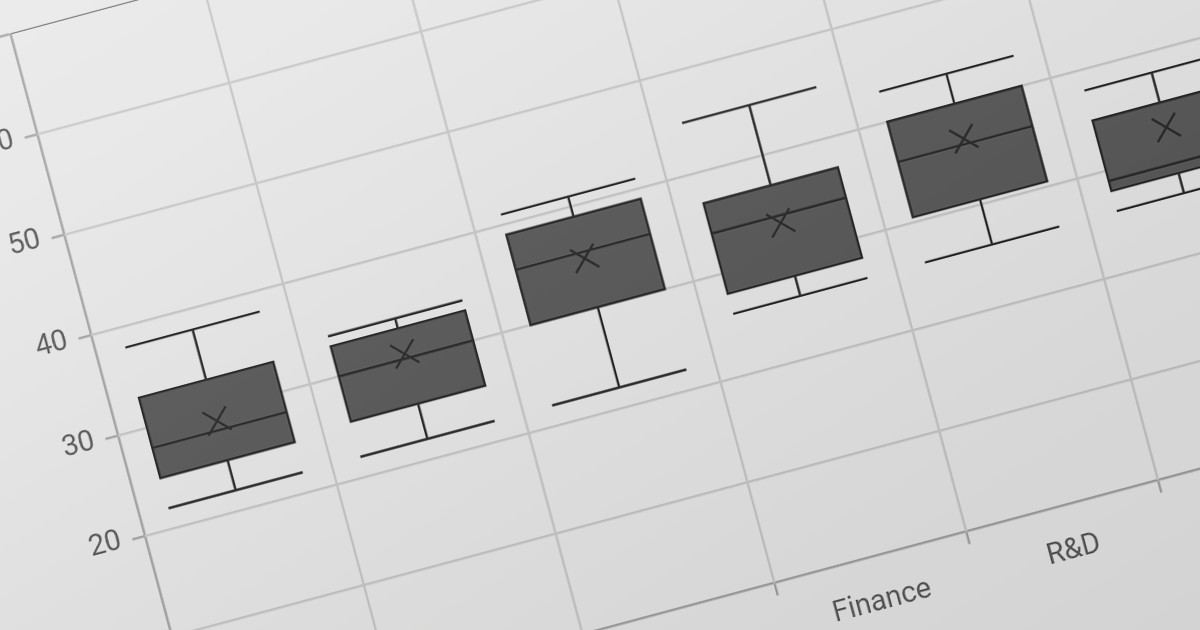
Multi-dimensional and relationship charts allow developers to present complex data structures and inter-variable relationships in a way that’s visually intuitive and analytically powerful. These chart types are essential for exploring correlations, comparing grouped metrics, and visualizing distributions across multiple dimensions. They are commonly used in statistical dashboards, performance analysis tools, and scientific applications where simple line or bar charts aren’t sufficient to capture the full context of the data.
Common charts include:
For an in-depth analysis of features and price, visit our Angular Chart components comparison.
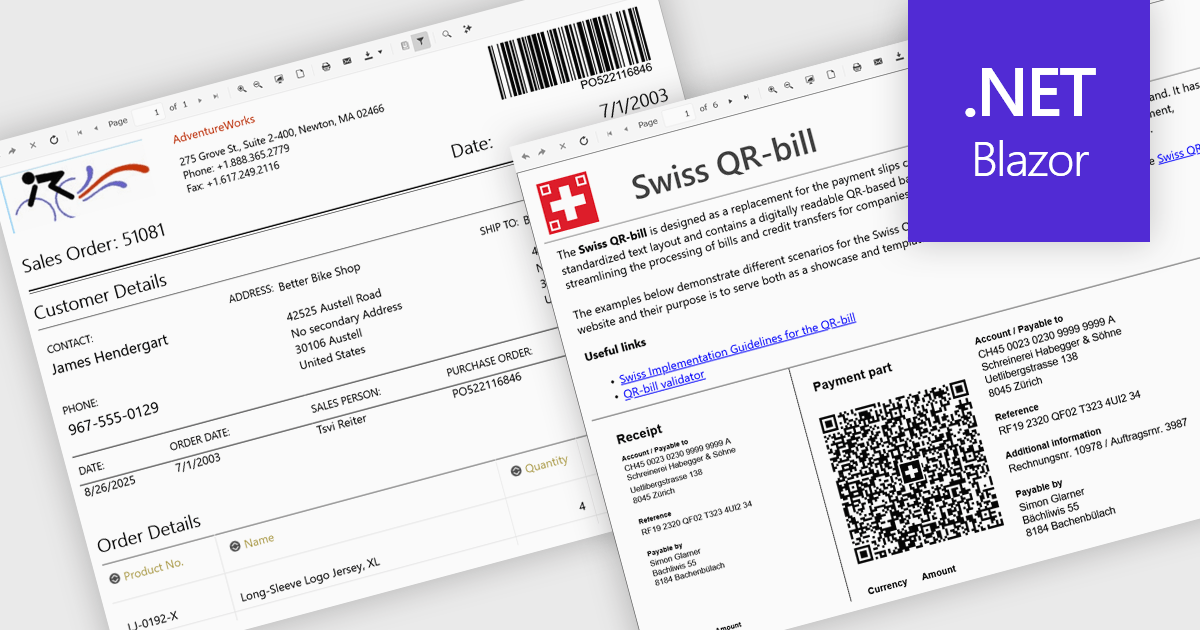
Adding barcodes to reports means embedding machine-readable codes like QR or Code 128 directly into printed or digital outputs. These can be scanned by barcode readers, making data entry faster, reducing errors, and improving traceability. Barcodes also support integration with inventory, logistics, or ERP systems. This feature is especially useful in manufacturing, retail, healthcare, and supply chain environments where accuracy and speed are essential.
Several .NET Blazor Reporting controls include Barcodes including:
For an in-depth analysis of features and price, visit our comparison of .NET Blazor Reporting Controls.
聯繫電話: (888) 850 9911
傳真: +1 770 250 6199


