
Official Supplier
As official and authorized distributors, we supply you with legitimate licenses directly from 200+ software publishers.
See all our Brands.
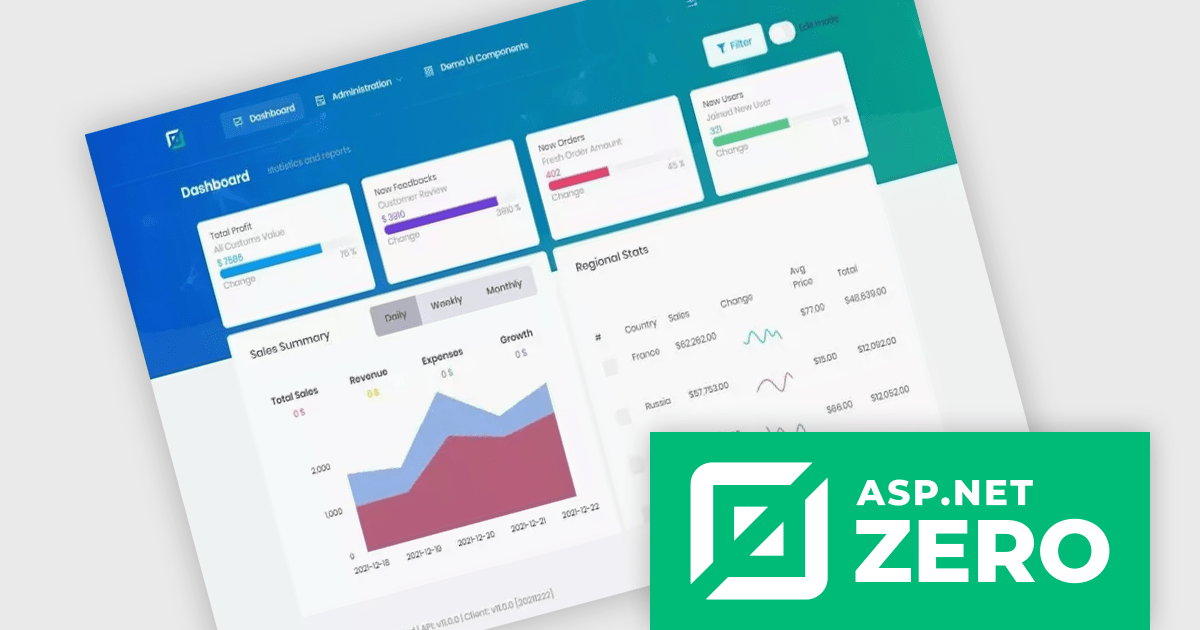
ComponentSource, a leading provider of software development tools, has partnered with ASP.NET Zero (by Volosoft), a software solution provider that creates reusable software libraries/frameworks/tools, distributed architectures/systems, multi-threaded, and real-time applications. The ASP.NET Zero team has extensive experience with Microsoft technologies, JavaScript frameworks, development and design tools, database management systems and mobile development platforms.
ASP.NET Zero is a robust web application development framework specifically designed to expedite the creation of modern, high-performing web applications. It functions as a pre-configured foundation, akin to a pre-built structure with essential utilities already in place. This enables developers to concentrate their efforts on crafting the unique functionalities that differentiate their application.
ASP.NET Zero is licensed based on the number of developers using the framework and the number of products being developed. See our ASP.NET Zero licensing page for full details.
For more information, visit our ASP.NET Zero publisher page.
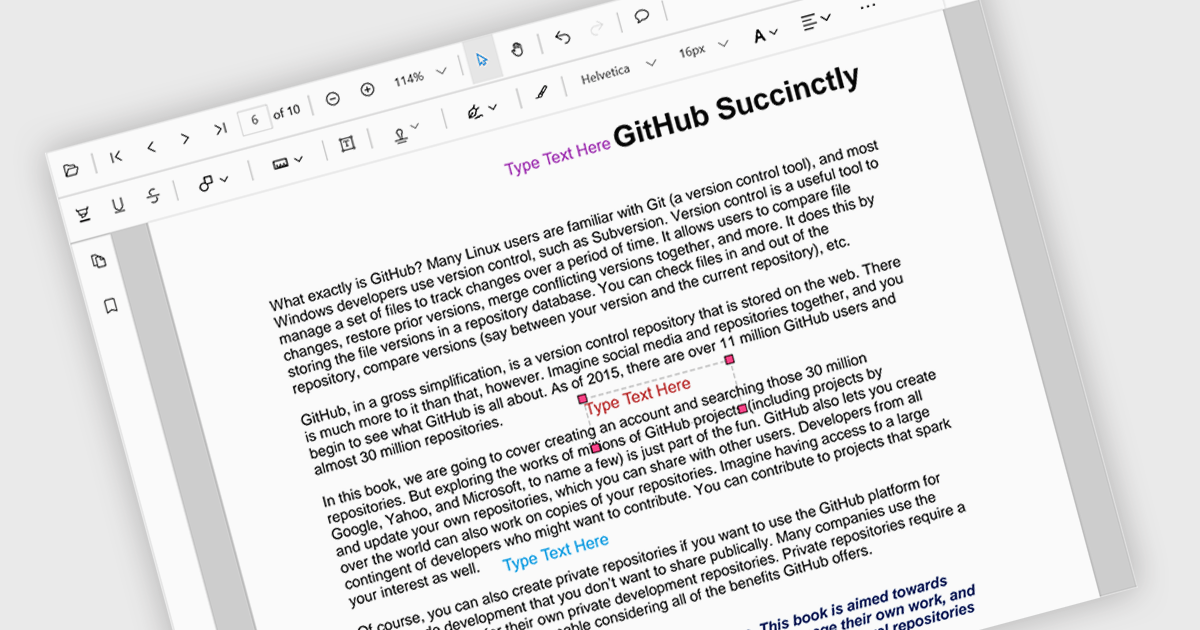
Free text annotations are textual comments or notes added to a document or image, independent of specific fields or structures. Unlike structured annotations that conform to predefined formats (e.g. highlighting, strikethrough), free text annotations provide flexibility for users to express their thoughts, questions, or observations in a more open-ended manner. This allows for richer and more personalized interactions with the content, making it valuable for tasks such as note-taking, research, and collaboration.
Several React PDF viewer controls offer support for free text annotations including:
For an in-depth analysis of features and price, visit our React PDF viewer controls comparison.
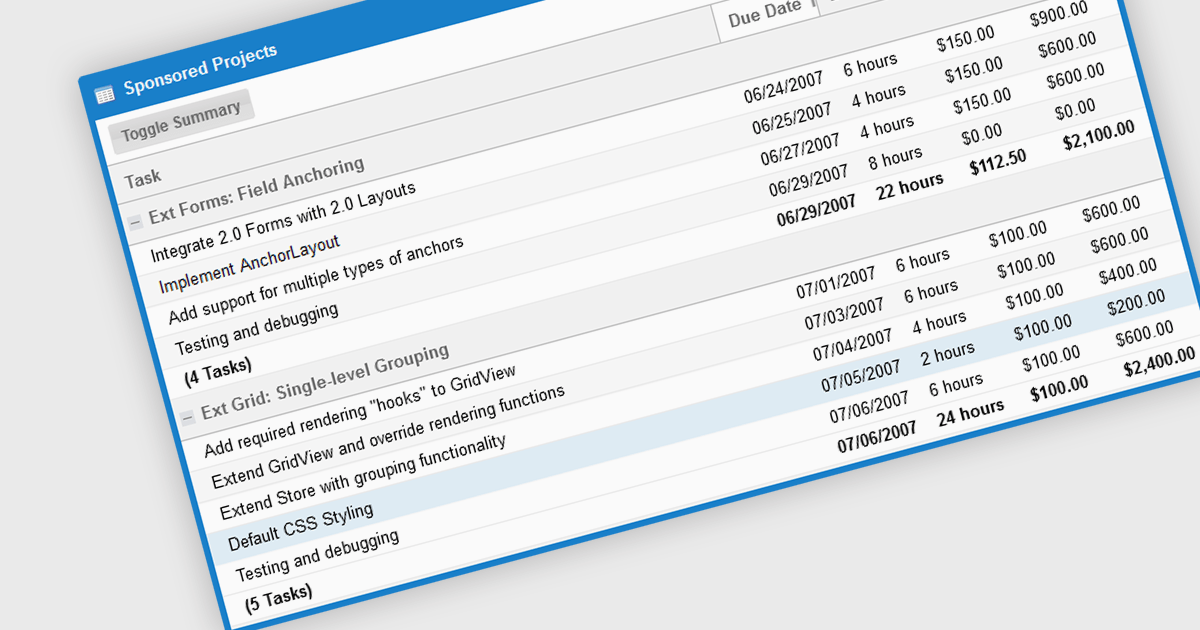
The grouping/summary feature in grid controls enables users to categorize and analyze data effectively by grouping rows based on specific criteria. This functionality allows for the aggregation of data within each group, providing valuable summaries such as totals, averages, counts, and more. By organizing information in a more structured manner, users can gain deeper insights into trends, patterns, and outliers within their data. This feature is particularly useful for large datasets, financial reporting, and data analysis tasks that require a high level of customization and flexibility.
Several JavaScript Grid controls offer grouping / summary support including:
For an in-depth analysis of features and price, visit our comparison of JavaScript grid controls.
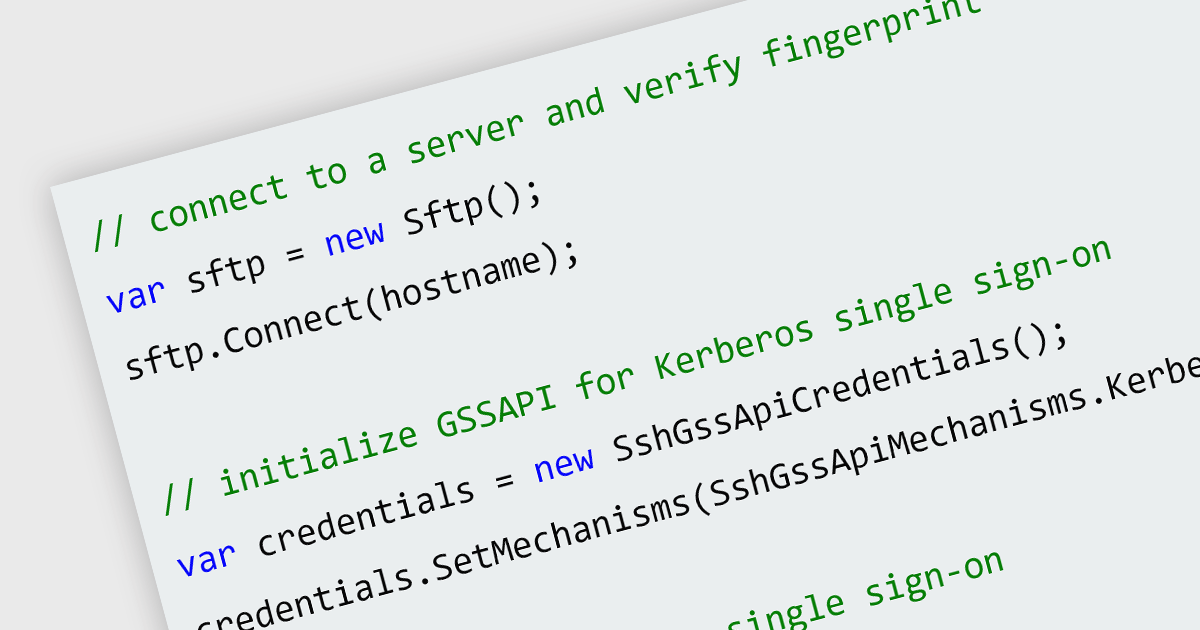
Server-side authentication is a security mechanism that verifies the identity of a user or device requesting access to a server or application. It typically involves the exchange of credentials, such as usernames and passwords, between the client and server, followed by validation of these credentials against a centralized database or directory. This ensures that only authorized individuals or systems can access restricted resources and prevents unauthorized access.
Several .NET 8 communications and messaging components offer support for server-side authentication including:
For an in-depth analysis of features and price, visit our .NET 8 communications and messaging components comparison.
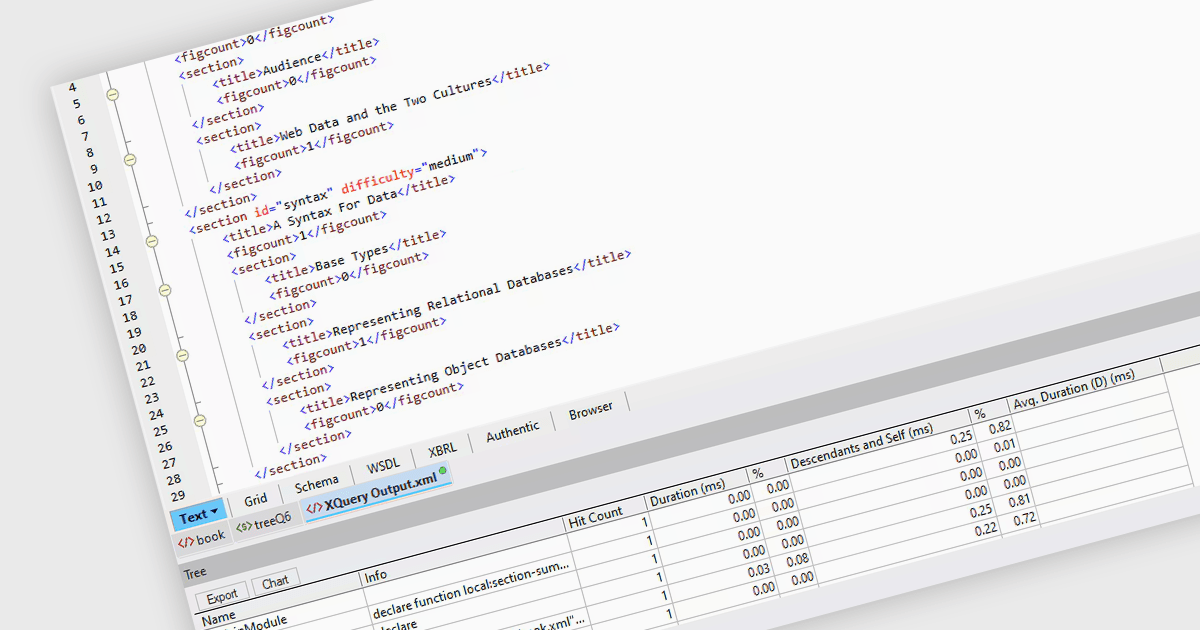
An XQuery profiler is a tool designed to analyze and optimize the performance of XQuery code by providing detailed insights into how queries are executed. It works by tracking various metrics such as execution time, memory usage, and the number of operations performed by different parts of the query, allowing developers to identify performance bottlenecks and inefficiencies. By highlighting these areas, profiling XQuery code enables users to refine their queries for faster and more efficient data processing, particularly in XML databases or systems that rely heavily on XQuery for data retrieval and transformation.
Several structured document tools offer an XQuery profiler, including:
For an in-depth analysis of features and price, visit our structured document tools comparison.





Tel: (888) 850 9911
Fax: +1 770 250 6199


