


Official Supplier
As official and authorized distributors, we supply you with legitimate licenses directly from 200+ software publishers.
See all our Brands.
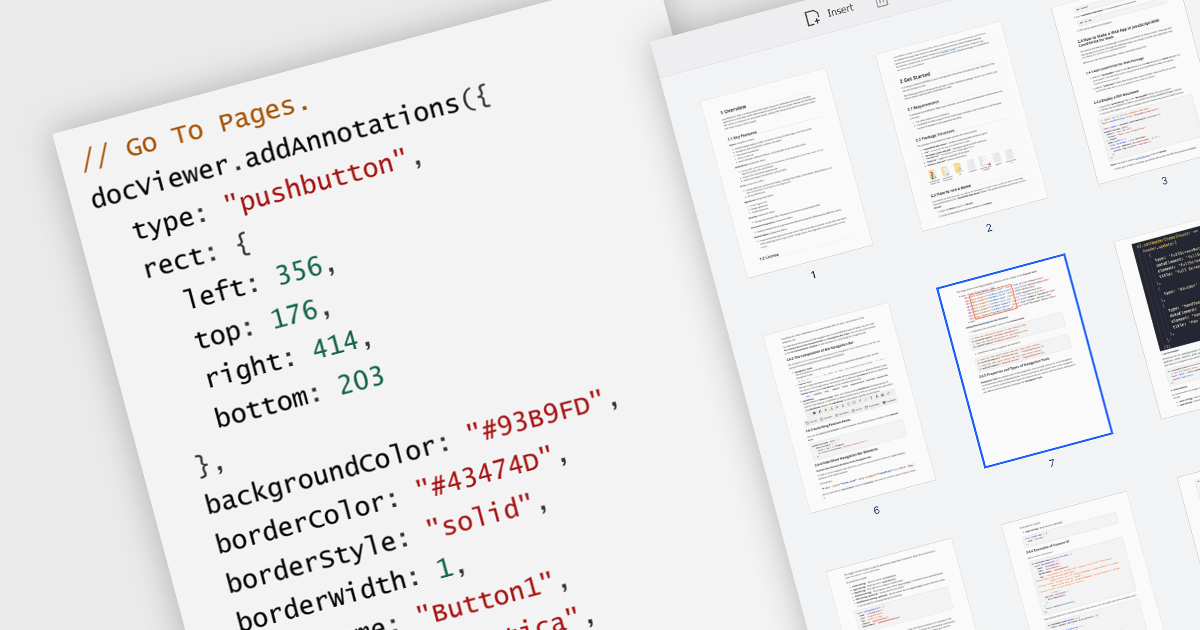
A GoTo action in a PDF component is a clickable link or button that directs users to a specific destination within the same PDF or even a different one. This feature enhances user experience by offering quick jumps to designated parts of the document, references, or connected information. For instance, a table of contents with GoTo actions lets readers instantly access the desired chapter by clicking on the relevant entry. Benefits of the GoTo Action include streamlined document navigation, improved content accessibility, and enhanced interactivity, making it an ideal feature for developing dynamic, user-friendly PDF applications.
Several .NET WPF PDF Components offer GoTo Action including:
For an in-depth analysis of features and price, visit our comparison of .NET WPF PDF Components.
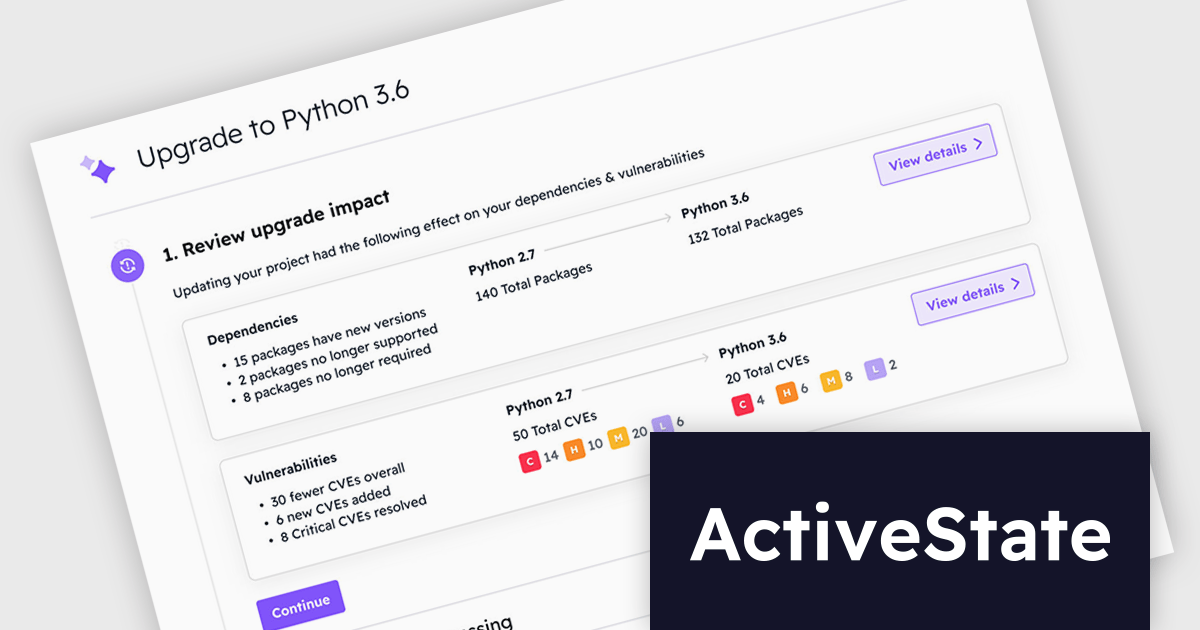
ActiveState Platform is a cloud-based solution that streamlines the secure development, management, and deployment of applications built on Python, Perl, and Tcl. It offers a curated catalog of open-source packages vetted for security and licensing, along with secure build services that create isolated and verifiable runtime environments. This empowers developers to ensure application integrity throughout the development process, from Dev environments to CI/CD pipelines. By simplifying dependency management and guaranteeing consistent environments, ActiveState Platform helps developers improve efficiency, reduce development time, and deliver reliable applications.
ActiveState Platform Enterprise now includes a groundbreaking solution for enterprises struggling to keep pace with the ever-evolving landscape of open-source software. Get Current, Stay Current (GCSC) is a continuous code refactoring service specifically designed to automate updates to Python libraries. This innovative service tackles the challenge of breaking changes, which often occur when libraries are updated and can render existing code inoperable. By automating the refactoring process, GCSC empowers organizations to seamlessly update their software dependencies without sacrificing developer productivity or introducing security vulnerabilities from outdated code.
ActiveState Platform is licensed per developer as an Annual license. See our ActiveState Platform licensing page for full details.
Learn more on our ActiveState Platform product page.
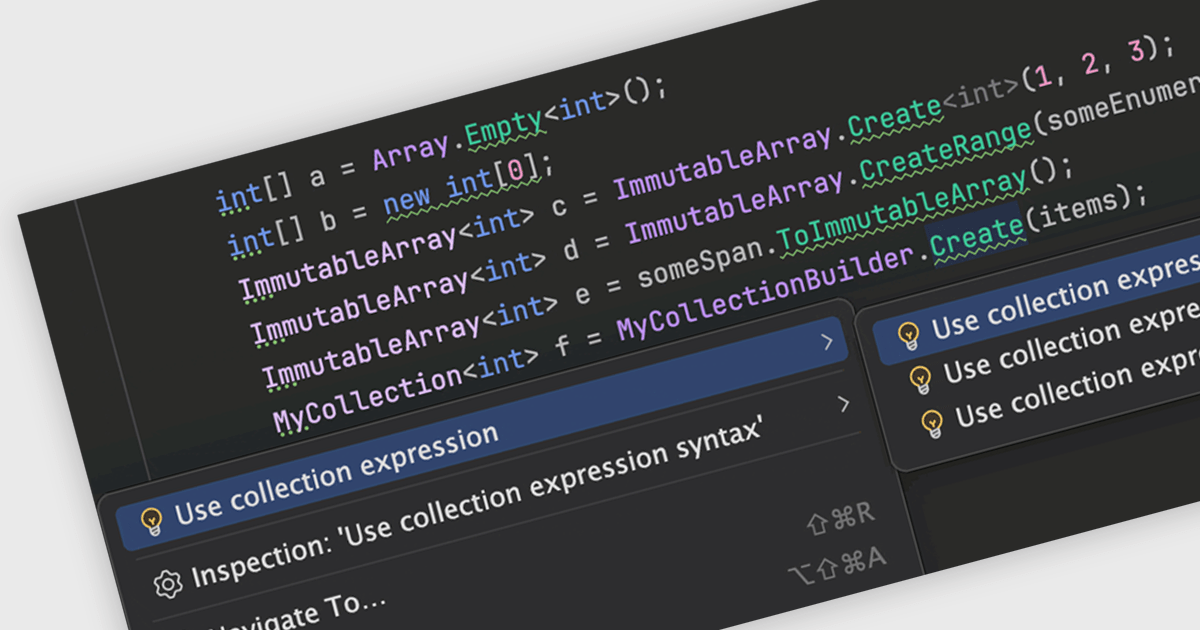
Many Integrated Development Environments (IDEs) offer support for the popular C# programming language. This often includes functionalities such as intelligent code completion, syntax highlighting, debugging, and project management. These features streamline the development process by automating repetitive tasks, catching errors early on, and offering a cohesive workspace for writing, testing, and deploying C# applications. This makes IDEs with strong C# support ideal for both beginners learning the language and professional developers working on complex projects.
Several integrated development environments offer C# support, including:
For an in-depth analysis of features and price, visit our comparison of IDEs.
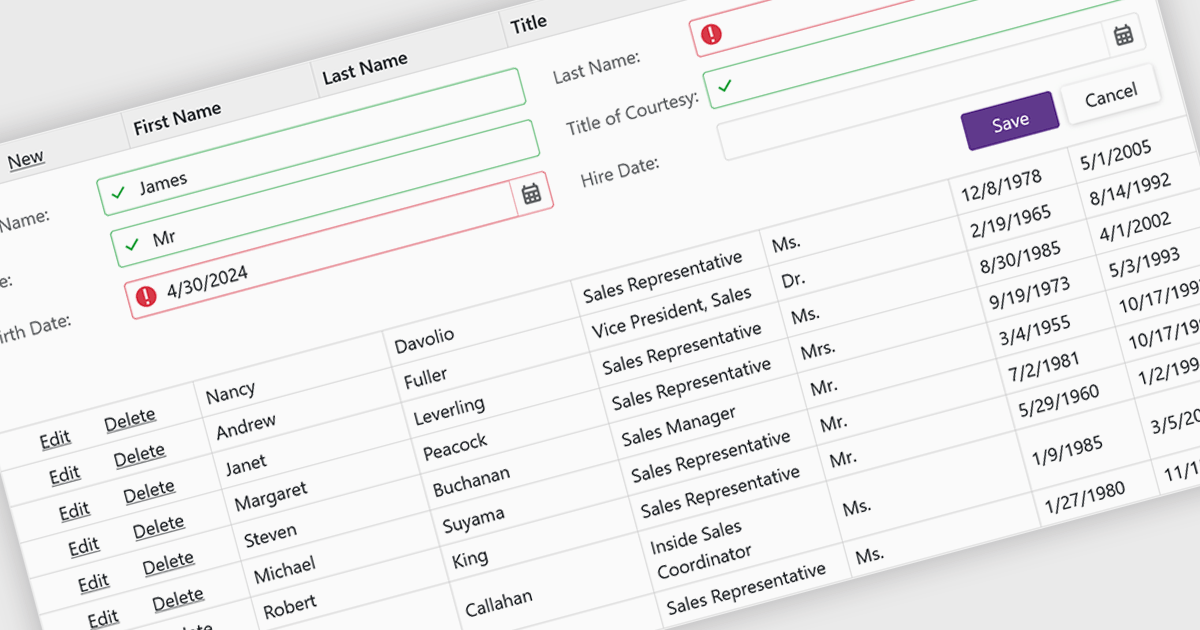
Data validation ensures the accuracy and integrity of information entered by users. It involves implementing rules to verify data against specific criteria, such as data type, format, or range. This helps prevent errors during data entry, improves data consistency, and safeguards against invalid information skewing analysis or downstream processes. Data validation is crucial in various scenarios, including managing financial records, maintaining customer databases, and ensuring data quality for scientific research.
Several Blazor grid controls offer data validation support including:
For an in-depth analysis of features and price, visit our Blazor Grid controls comparison.
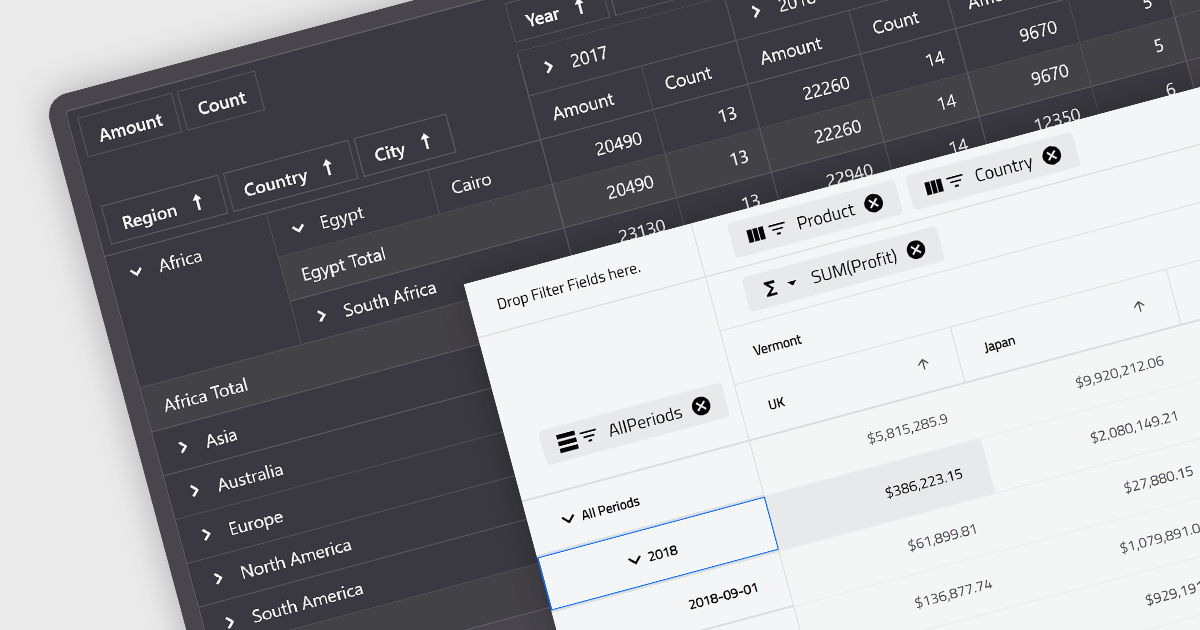
A pivot grid is a powerful data analysis tool that allows you to dynamically summarize and reorganize large datasets. By dragging and dropping fields, you can quickly create a new table that groups and calculates values based on different categories, revealing trends and patterns within your data. This interactive functionality makes pivot grids ideal for gaining insights and informing data-driven decisions. Common use cases include financial analysis, marketing campaign evaluation, and sales performance exploration.
Several Blazor UI suites feature a pivot grid control including:
For an in-depth analysis of features and price, visit our Blazor UI suites comparison.





Tel: (888) 850 9911
Fax: +1 770 250 6199


