



Official Supplier
As official and authorized distributors, we supply you with legitimate licenses directly from 200+ software publishers.
See all our Brands.
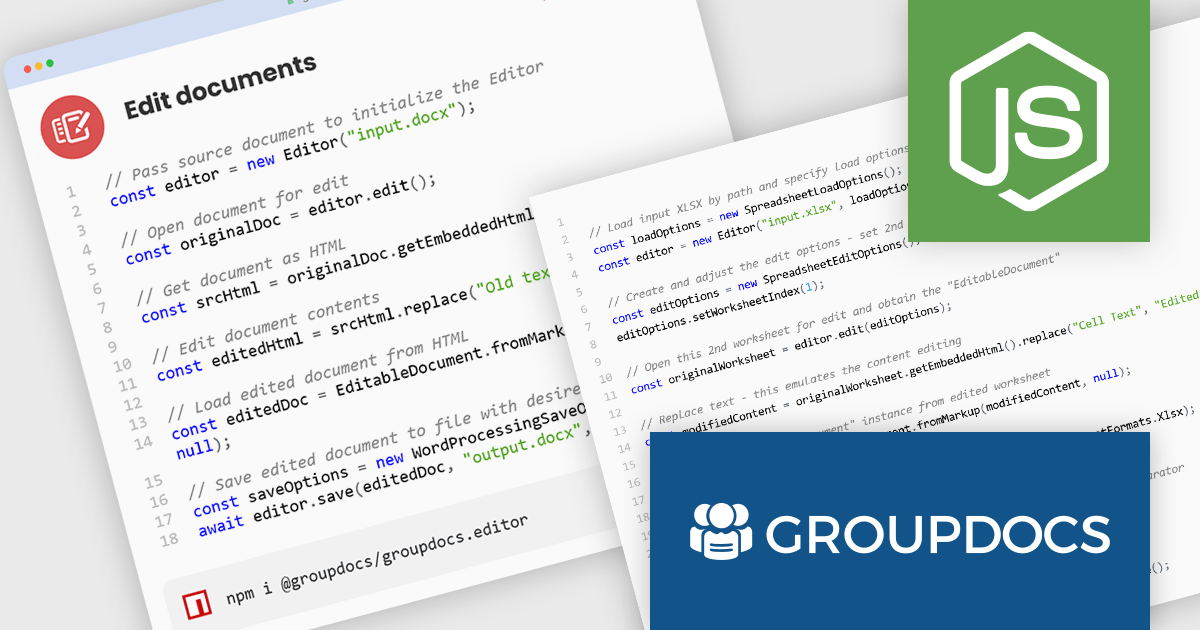
GroupDocs.Editor for Node.js via Java is a document editing API that allows developers to load, edit, and save a wide variety of document formats directly within Node.js applications. Built on top of GroupDocs' Java back end and exposed to JavaScript via a thin integration layer, the library supports Word documents, Excel spreadsheets, PowerPoint presentations, PDFs, HTML, XML, TXT, and more. It works by converting documents into editable HTML, enabling seamless integration with popular WYSIWYG editors, and then converting the edited content back into the original format - all without needing Microsoft Office or third-party plugins.
This product is particularly valuable in scenarios where real-time document editing is needed within web platforms or enterprise systems. By handling document transformation entirely on the server, it supports secure workflows for collaborative editing, content management systems, and automated document pipelines. Organizations can build browser-based editors, allow users to update structured documents without altering layout or formatting, or embed document editing in client portals. The support for password-protected documents, resource management, and high-fidelity round-trip conversion makes GroupDocs.Editor a practical tool for digital offices, legal document workflows, and business applications that require editable, yet controlled, document interaction.
GroupDocs.Editor for Node.js via Java is offered as Developer Small Business, Developer OEM, Site Small Business, and Site OEM licenses catering to a range of business needs. Licenses are perpetual, and include 1 year of support and maintenance. Subscription renewals are also available. See our GroupDocs.Editor for Node.js via Java licensing page for full details.
GroupDocs.Editor for Node.js via Java is available individually or as part of the following products:
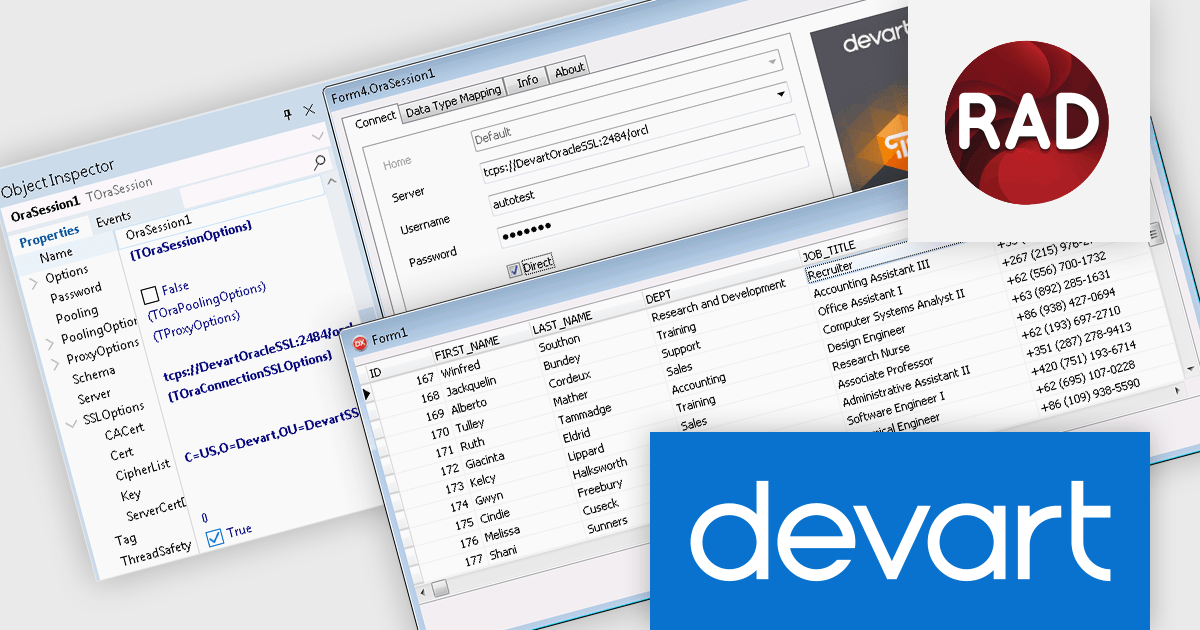
Devart's Data Access Components (DAC) are a suite of native connectivity libraries designed to allow Delphi, C++Builder, Lazarus, and Free Pascal applications to work with a variety of database systems efficiently and directly. They include specialized libraries like SDAC (SQL Server), MyDAC (MySQL), PgDAC (PostgreSQL), and UniDAC (multi-database/cloud), and support modern platforms (Windows, macOS, Linux, iOS, Android), 32- and 64-bit architectures, and visual frameworks such as FireMonkey and VCL. The components aim to replace older, more generic layers (like BDE, ODBC, or dbExpress) with "native" drivers that deliver better performance, richer database feature support, and more direct access for things like advanced data types, server-side features, encryption, and offline operation.
Devart’s latest update adds support for Embarcadero RAD Studio 13 Florence, allowing developers to integrate cutting-edge database connectivity into Delphi and C++Builder apps:
Devart Data Access Components are licensed per developer and are available as a Perpetual License with a 12 month support and maintenance subscription. See our Universal Data Access Components (UniDAC) licensing page for full details.
Telerik UI for ASP.NET MVC is a feature-rich UI library that enables developers to build modern, high-performance web applications. It offers a wide range of customizable components, including data grids, charts, forms, and interactive UI elements, optimized for server-side rendering and responsive design. With built-in themes, localization, and advanced data binding, it improves development while ensuring security and accessibility. Ideal for enterprise applications and data-driven solutions, it enhances productivity and delivers a polished, scalable UI.
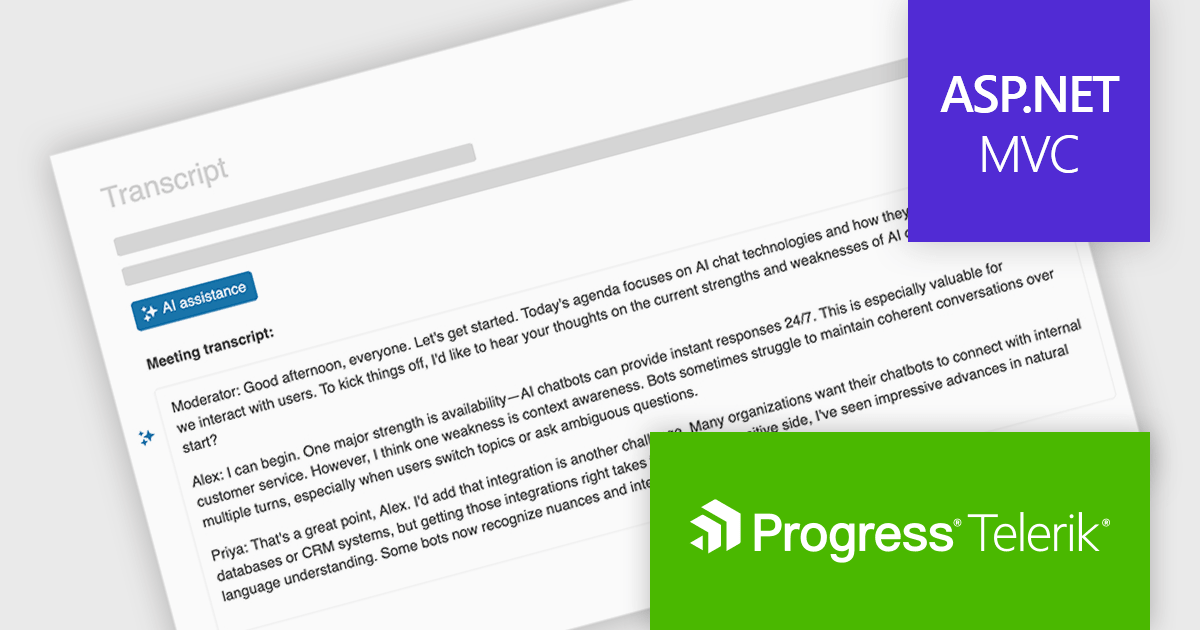
The Telerik UI for ASP.NET MVC 2025 Q3 update introduces In-Context AI Assistance with the new Inline AI Prompt, enabling developers to integrate AI interactions directly into their applications through a lightweight, popup-based interface. This feature allows users to send prompts and receive streaming responses without leaving their workflow, supports inline editing for refining outputs, and handles chunked responses for more efficient delivery of long-form content. In addition, built-in events provide flexibility for customizing the behavior of the AI prompt and responding to user actions, making it easier to deliver tailored, intelligent experiences within ASP.NET MVC applications.
To see a full list of what's new in 2025 Q3 (2025.3.812), see our release notes.
Telerik UI for ASP.NET MVC is licensed per developer and has two licensing models: an annual Subscription License and a Perpetual License. The Subscription license provides access to the latest product updates, technical support, and exclusive benefits for a flat annual fee, and must be renewed to continue using the software. The Perpetual license is a one-time purchase granting access to the current released version and includes a one-year subscription for product updates and technical support. After this initial period, users can choose to renew the subscription element to continue receiving updates and support; otherwise, they may continue using the installed version available during their active subscription term but will forgo future updates and support. See our Telerik UI for ASP.NET MVC licensing page for full details.
Telerik UI for ASP.NET MVC is available to buy individually or as part of the following products:
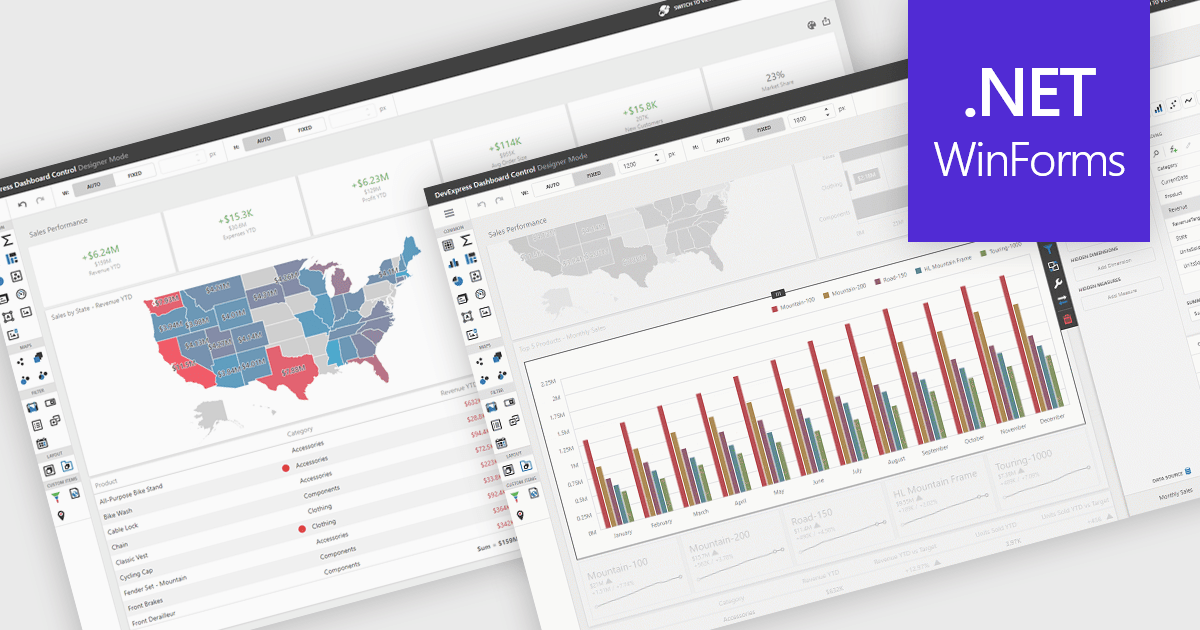
UI layouts define the structural arrangement of elements within an application, determining how content, controls, and navigation are organized and presented to users. A well-designed layout ensures consistency, responsiveness, and usability across different devices and screen sizes, making applications more intuitive and efficient to interact with. Benefits include improved user experience through predictable navigation and flexibility to scale as application requirements evolve. For example, dashboards can automatically adjust width and height to fit available space, web apps can employ responsive grid systems to adapt to mobile and desktop displays, and enterprise software can apply consistent layouts across modules to improve complex processes.
Several .NET WinForms UI suites offer layout components including:
For an in-depth analysis of features and price, visit our .NET WinForms UI suites comparison.
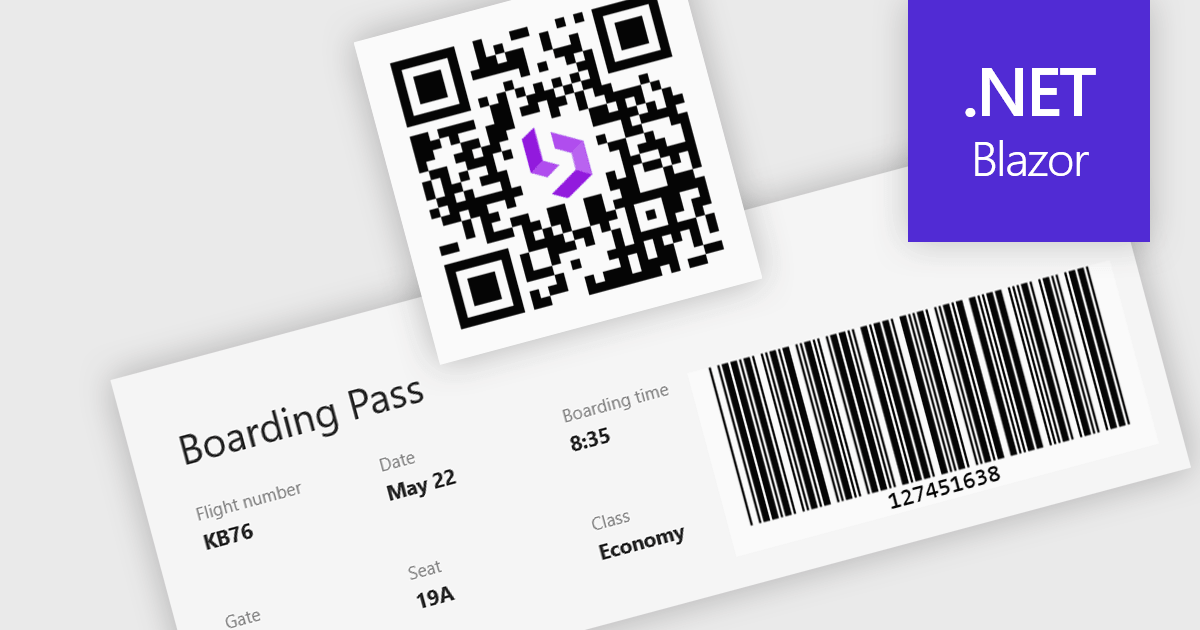
Barcode support in a Blazor UI suite refers to built-in components or controls that enable developers to generate and display barcodes directly within applications. This functionality simplifies the integration of barcode-based processes in retail, logistics, healthcare, and inventory management systems by allowing data encoding and visualization without relying on third-party tools. For software developers, the key benefit is faster implementation of barcode features with consistent styling and customization options, helping maintain application cohesion while supporting machine-readable data formats.
Several Blazor UI suites provide barcode functionality, including:
For an in-depth analysis of features and price, visit our comparison of Blazor UI suites.





Tel: (888) 850 9911
Fax: +1 770 250 6199


